


Proper garage ventilation is often overlooked yet it plays a key role in safety and comfort. Poor airflow can lead to dangerous fume buildup from cars or stored chemicals. In fact over 60 percent of garages in the US lack adequate ventilation according to a 2023 study by the National Association of Home Builders. Without windows achieving this may seem tough but it is entirely possible with the right approach.
Why Ventilation Matters in a Windowless Garage
Garages often store vehicles tools and chemicals that release harmful fumes. Carbon monoxide from car exhaust is a silent killer responsible for hundreds of deaths yearly. Proper ventilation removes these toxins and reduces the risk of health issues.
High humidity in a garage can also cause mold growth and damage stored items. Ventilation helps control moisture levels and protects your belongings. Additionally good airflow prevents heat buildup which can make the space uncomfortable.
In colder climates condensation can form on surfaces leading to rust and deterioration. A well ventilated garage charges a moped battery safely by maintaining a dry environment. This extends the life of your tools and equipment.
Finally proper ventilation improves air quality for anyone spending time in the garage. Whether you use it as a workshop or for storage fresh air is essential for health and productivity.
Passive Ventilation Solutions
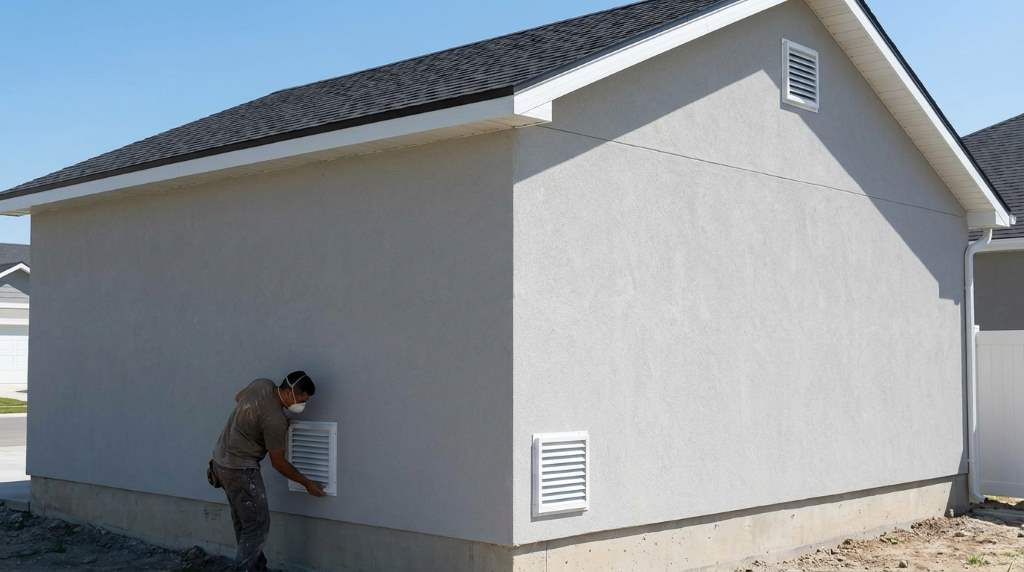
Passive ventilation relies on natural airflow to move air in and out of the garage. It is energy efficient and requires minimal maintenance. One of the simplest methods is to install vents in the walls or roof.
Soffit and ridge vents work well for garages with pitched roofs. Soffit vents are installed under the eaves while ridge vents run along the roof peak. Together they create a continuous flow of air that removes heat and moisture.
Gable vents are another option for garages with gable ends. These triangular vents are placed high on the walls to allow hot air to escape. They are easy to install and blend seamlessly with the garage exterior.
For a more discreet solution consider installing louvered vents. These can be placed on walls or doors and come in various sizes. They allow air to flow while keeping pests and debris out.
How to Install Wall Vents
Start by marking the location for the vents on the garage walls. Use a stud finder to avoid cutting into structural supports. Cut openings slightly smaller than the vent size using a reciprocating saw.
Secure the vents in place with screws and seal the edges with caulk. Ensure the vents are positioned to create cross ventilation. This means placing them on opposite walls for the best airflow.
For added efficiency install both high and low vents. Warm air rises so high vents will expel hot air while low vents bring in cooler air. This creates a natural circulation pattern.
If your garage has a concrete wall use a masonry bit to drill holes for the vents. Seal the vents with a waterproof membrane to prevent water damage. Always follow local building codes when installing vents.
Active Ventilation Systems
Active ventilation uses fans or other mechanical systems to move air. These are more effective than passive methods but require electricity. Exhaust fans are a popular choice for windowless garages.
Install an exhaust fan on one wall to pull air out of the garage. Place it near the ceiling where hot air collects. For best results pair it with an intake vent on the opposite wall to bring in fresh air.
Consider a solar powered exhaust fan for an eco friendly option. These fans use solar panels to power the motor and require no wiring. They are ideal for garages without easy access to electricity.
Inline fans are another option for larger garages. These powerful fans are installed in the ductwork and can move large volumes of air. They are often used in commercial settings but can be adapted for residential garages.
When fixing a scratched car door in your garage proper ventilation ensures that fumes from fix a scratched car door paints and solvents do not linger. This protects your health and improves the quality of your work.
Choosing the Right Fan
Select a fan with a high CFM rating for your garage size. CFM stands for cubic feet per minute and measures airflow. A general rule is to choose a fan that can exchange the air in the garage at least 8 times per hour.
For a standard two car garage a fan with 3000 to 4000 CFM is usually sufficient. Larger garages may require multiple fans or a more powerful model. Always check the manufacturer recommendations.
Noise level is another factor to consider. Look for fans with a low sone rating if you plan to spend time in the garage while the fan is running. Some models come with speed controls for added flexibility.
Finally consider the fan durability and ease of maintenance. Choose a model with a washable filter and a long lasting motor. This will save you time and money in the long run.
Unique Ventilation Ideas
If traditional methods are not an option there are creative ways to vent a garage. One unique idea is to use a cupola. A cupola is a small structure on the roof that allows hot air to escape.
Another option is to install a wind turbine vent. These use wind power to spin a turbine that pulls air out of the garage. They are energy efficient and work well in windy areas.
For garages with a flat roof consider a roof mounted power vent. These use electricity to power a fan that exhausts air through the roof. They are effective but require professional installation.
If you patch a tubeless tire in your garage good ventilation helps remove rubber dust and patch a tubeless tire fumes. This keeps the air clean and safe to breathe.
Finally consider adding a dehumidifier to control moisture levels. While not a ventilation system it can complement your efforts by reducing humidity. This is especially useful in humid climates.
Climate Specific Tips
In hot climates focus on removing heat from the garage. Use reflective roof coatings and insulation to reduce heat gain. A combination of exhaust fans and passive vents can keep the space cool.
For cold climates prioritize moisture control to prevent condensation. Use a dehumidifier in addition to ventilation. Consider heated vents to prevent ice buildup in the winter.
In humid areas ensure your ventilation system can handle high moisture levels. Use moisture resistant materials for vents and fans. Regularly check for mold and mildew growth.
In windy areas take advantage of natural airflow. Position vents to catch prevailing winds. Use wind turbine vents to enhance ventilation without electricity.
Common Mistakes to Avoid
One common mistake is blocking vents with stored items. Always keep vents clear to allow proper airflow. Regularly check and clean vents to remove dust and debris.
Another mistake is using only one vent. For effective ventilation you need both intake and exhaust vents. This creates a flow of air that removes stale air and brings in fresh air.
Avoid installing vents in areas prone to water entry. This can lead to water damage and mold growth. Use waterproof vents and seal them properly to prevent leaks.
Finally do not ignore local building codes. These codes are in place to ensure safety and compliance. Always check with your local building department before starting any ventilation project.
Maintenance and Upkeep
Regular maintenance is key to keeping your ventilation system working effectively. Inspect vents and fans at least once a year. Clean them to remove dust and debris that can block airflow.
Check for signs of wear and tear such as cracks or rust. Replace damaged vents or fans to prevent further issues. Lubricate moving parts in fans to ensure smooth operation.
Test your ventilation system regularly to ensure it is working properly. Use a smoke pencil to check airflow patterns. If the smoke does not move smoothly it may be time to clean or upgrade your system.
Finally keep the area around vents clear of obstructions. This includes stored items plants and other debris. Proper airflow is essential for the system to work effectively.
Conclusion
Ventilating a garage without windows may seem challenging but it is entirely achievable. With the right combination of passive and active systems you can improve air quality and create a safer space. Remember to consider your climate and local building codes when planning your project.
Start with simple solutions like wall vents and exhaust fans. If needed explore unique options like cupolas or wind turbine vents. Regular maintenance will ensure your system continues to work effectively for years to come.
Do not let the lack of windows hold you back from creating a well ventilated garage. Take action today to improve airflow and protect your health and belongings. Your future self will thank you.
FAQs
How often should I clean my garage vents?
Clean your garage vents at least once a year to ensure proper airflow and prevent blockages.
Can I use a bathroom fan for my garage?
Bathroom fans are not powerful enough for most garages and may not meet building code requirements.
Do I need a permit to install garage vents?
Check with your local building department as permits may be required for certain ventilation systems.
What is the best ventilation system for a small garage?
A combination of passive vents and a small exhaust fan is often sufficient for a small garage.
How can I tell if my garage ventilation is working?
Use a smoke pencil to check airflow patterns or monitor humidity levels with a hygrometer.