


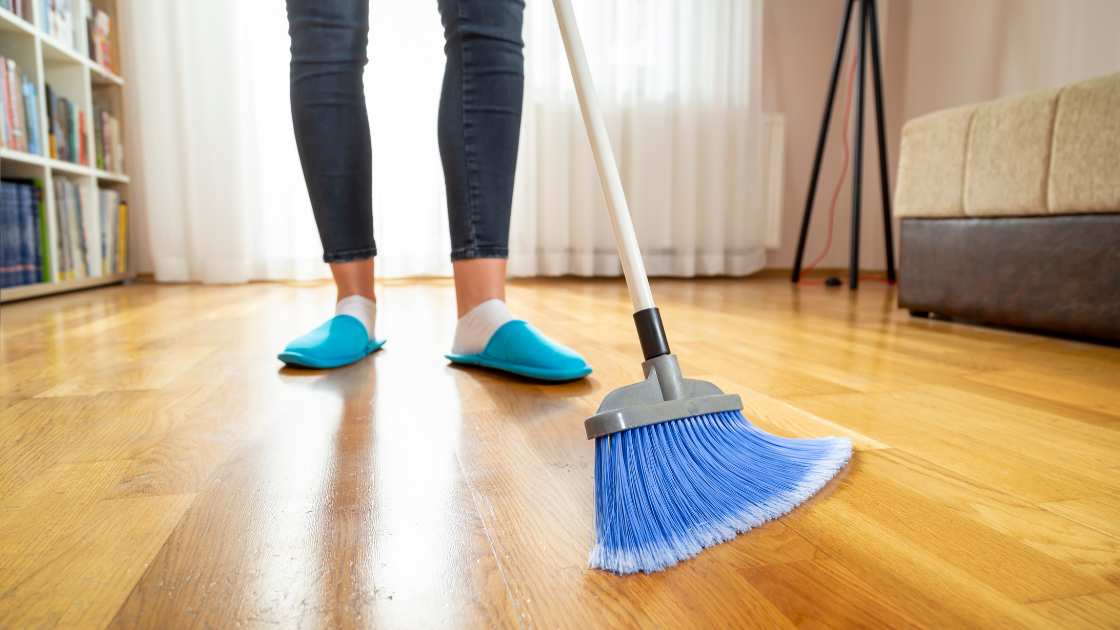
Keeping your floors clean is essential for maintaining a tidy and healthy home. Sweeping is one of the most common and effective ways to clean floors, but did you know that different types of floors require different sweeping techniques? In this article, we will discuss the best sweeping techniques for different types of floors.
Sweeping Techniques for Different Types of Floors: What You Need to Know
Sweeping Hardwood Floors
Hardwood floors are beautiful and add value to your home, but they require special care. When sweeping hardwood floors, use a soft-bristled broom or a microfiber mop. Avoid using a stiff-bristled broom or a vacuum with a beater bar, as these can scratch or damage the surface of the hardwood.
Start sweeping from the edges of the room and work your way towards the center. Sweep in long strokes, following the direction of the wood grain. To pick up any remaining dust or debris, use a damp mop or a hardwood floor cleaner.
Sweeping Tile Floors
Tile floors are durable and easy to clean, but they can be challenging to sweep because the grout lines can trap dirt and dust. To sweep tile floors effectively, use a broom with soft bristles or a microfiber mop.
Start by sweeping or mopping along the edges of the room, working your way towards the center. Sweep in straight lines, overlapping each stroke to ensure you pick up all the dust and debris. For best results, use a damp mop or a tile floor cleaner to remove any remaining dirt or stains.
Sweeping Carpet Floors
Carpets are cozy and comfortable, but they require regular cleaning to keep them looking and smelling fresh. When sweeping carpets, use a broom with soft bristles or a vacuum cleaner with a floor attachment.
Start by vacuuming the edges of the room, then work your way towards the center. Use short strokes and overlap each stroke to pick up all the dirt and debris. For high traffic areas, consider using a carpet sweeper to pick up small particles that a vacuum may miss.
Sweeping Laminate Floors
Laminate floors are affordable and easy to install, but they require gentle care to avoid scratches or damage. When sweeping laminate floors, use a broom with soft bristles or a microfiber mop.
Start sweeping from the edges of the room and work your way towards the center. Use long, sweeping strokes and overlap each stroke to ensure you pick up all the dust and debris. Avoid using water or cleaning solutions on laminate floors, as they can cause damage or warping.
Sweeping Concrete Floors
Concrete floors are durable and low-maintenance, but they can be challenging to sweep because of their rough texture. When sweeping concrete floors, use a broom with stiff bristles or a push broom.
Start by sweeping along the edges of the room and work your way towards the center. Use short strokes and overlap each stroke to ensure you pick up all the dirt and debris. For best results, use a dustpan to collect the debris and dispose of it properly.
FAQ’s
Can I use the same sweeping technique for all types of floors?
No, different types of floors require different sweeping techniques. For example, hardwood floors require a soft-bristled broom or a microfiber mop, while concrete floors require a broom with stiff bristles or a push broom. Always use the appropriate sweeping tool for the type of floor you are cleaning to avoid damage and ensure the best results.
Is it safe to use a vacuum cleaner on all types of floors?
No, some types of floors, such as hardwood and laminate, can be easily scratched or damaged by vacuum cleaners with a beater bar. Always use a vacuum cleaner with a floor attachment or a broom with soft bristles on these types of floors. Carpets and tile floors can be safely vacuumed, but be sure to use a vacuum cleaner with adjustable suction power to avoid damaging delicate fibers or grout lines.
How often should I sweep my floors?
The frequency of sweeping your floors depends on factors such as the amount of foot traffic and the presence of pets or children. As a general rule, it’s a good idea to sweep high-traffic areas, such as entryways and kitchens, daily or every other day. For other areas of the house, once a week should be sufficient. However, if you notice dirt or debris accumulating quickly, you may need to sweep more frequently.
Conclusion
Sweeping is an essential part of floor cleaning, but it’s important to use the right techniques for different types of floors. By following the tips and techniques outlined in this article, you can keep your floors clean and well-maintained for years to come. Remember to always use gentle, non-abrasive sweeping tools and to dispose of collected debris properly.