


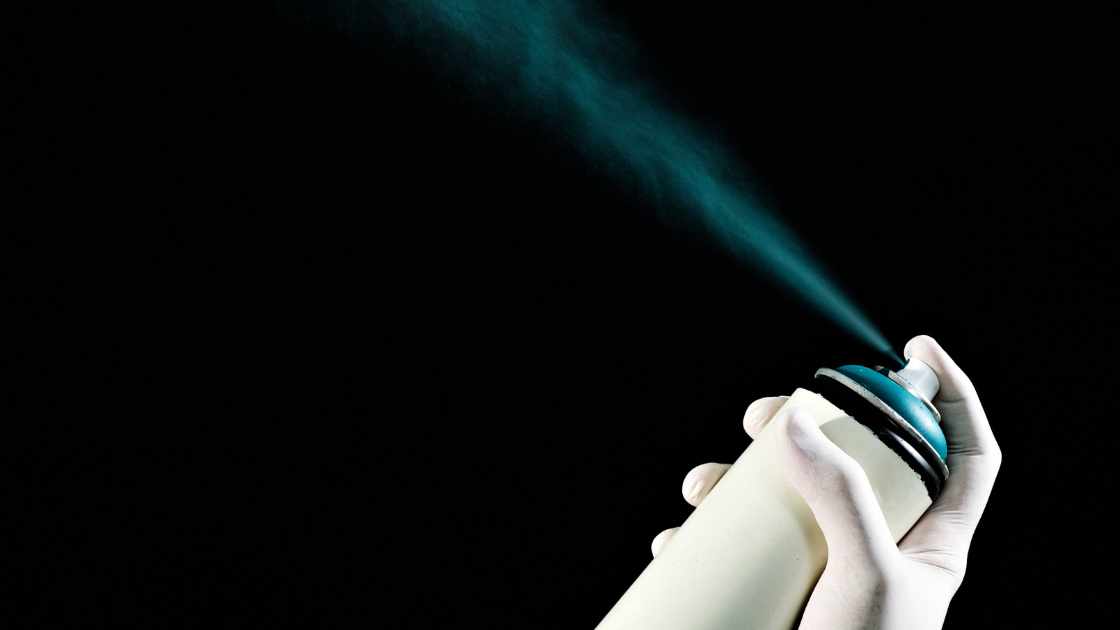
Spray painting is a versatile and convenient method for adding color to a variety of surfaces, from furniture and home decor to automotive and DIY projects. One common question that arises among enthusiasts and beginners alike is, “How long does spray paint take to dry?” The drying time of spray paint can vary based on several factors, and understanding these variables is crucial for achieving the best results in your painting endeavors.
Understanding the Drying Time of Spray Paint: A Comprehensive Guide
Factors Affecting Drying Time
Type of Spray Paint
Different types of spray paints have varying formulations, leading to differences in drying times. Water-based spray paints generally dry faster than oil-based counterparts. Acrylic and enamel paints are common choices, each with its own drying characteristics.
Environmental Conditions
The environment plays a significant role in the drying process. Factors such as temperature, humidity, and airflow can influence how quickly spray paint dries. Ideally, it is recommended to spray paint in a well-ventilated area with moderate temperatures and low humidity for optimal drying conditions.
Surface Material
The material being painted also affects drying times. Non-porous surfaces, such as metal or plastic, generally allow for quicker drying compared to porous surfaces like wood. The texture and absorbency of the surface impact how the paint adheres and dries.
Number of Coats
Applying multiple coats of spray paint can extend the overall drying time. It is crucial to allow each coat to dry completely before adding additional layers. Rushing this process can lead to uneven coverage and compromise the overall finish.
Guidelines for Drying Time
Touch Dry vs. Fully Cured
Spray paint may feel dry to the touch within minutes, but it does not necessarily mean it is fully cured. Touch dry means the paint has dried enough not to smudge, but it is advisable to wait for the recommended curing time before handling or applying additional coats.
Follow Manufacturer’s Recommendations
Always refer to the manufacturer’s instructions on the spray paint can for specific drying times. Different brands and formulations may have varying recommendations, so it is essential to follow them for the best results.
Patience is Key
Rushing the drying process can lead to imperfections in the finish. Exercise patience and allow the paint to dry thoroughly before handling or repositioning the painted item.
FAQs
How long does it take for spray paint to dry?
The drying time of spray paint varies based on several factors. In general, most spray paints are touch dry within 15 to 30 minutes. However, to ensure a fully cured and durable finish, it is recommended to wait at least 24 hours before handling or reapplying additional coats.
Can environmental conditions affect spray paint drying time?
Yes, environmental conditions play a crucial role in the drying process of spray paint. Factors such as temperature, humidity, and airflow can impact drying times. For optimal results, it is advised to spray paint in a well-ventilated area with moderate temperatures and low humidity.
Does the type of surface being painted influence drying time?
Absolutely. The type of surface being painted affects how quickly spray paint dries. Non-porous surfaces like metal or plastic generally allow for faster drying, while porous surfaces such as wood may require more time. It’s essential to consider the texture and absorbency of the surface for achieving the best results in your spray painting project.
Final Thought
In conclusion, the drying time of spray paint depends on various factors such as the type of paint, environmental conditions, surface material, and the number of coats applied. By understanding these factors and following proper guidelines, you can achieve a professional-looking finish in your spray painting projects. Remember to prioritize patience and adherence to manufacturer recommendations to ensure the longevity and durability of your painted surfaces.