


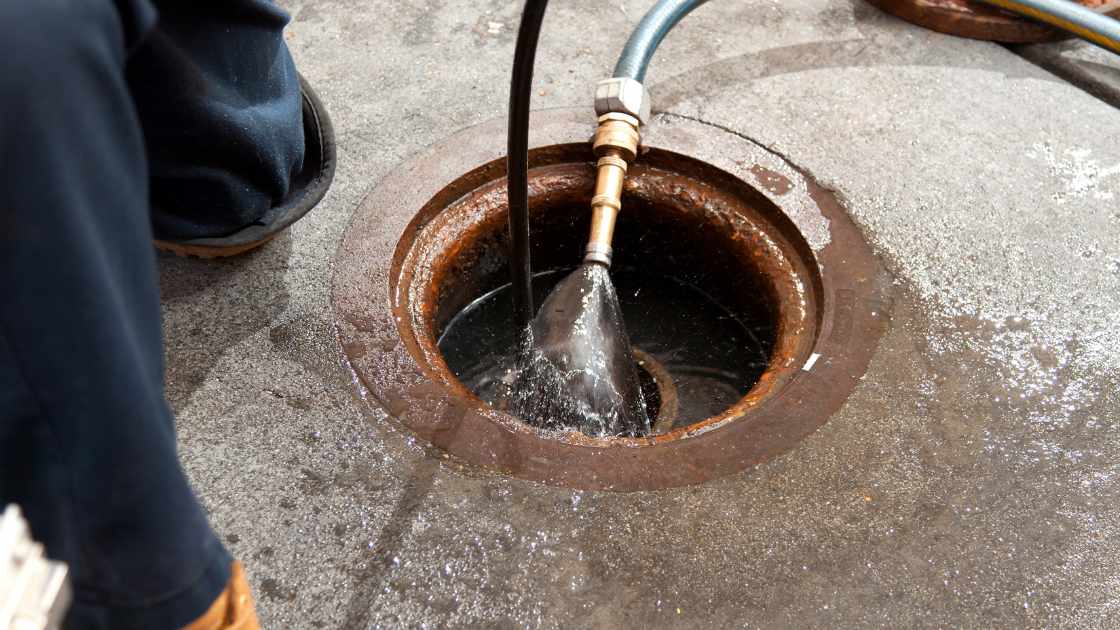
Sewer line issues can be stressful and disruptive, impacting your home’s plumbing system and daily routines. From clogs and leaks to more serious problems like collapsed pipes, repairing a sewer line requires careful assessment, planning, and execution. But how long can you expect the repair process to take? In this article, we’ll explore the factors influencing the timeline for sewer line repair and provide insights into what you can expect during the process.
Factors Affecting Repair Time
Type and Extent of Damage: The severity of the sewer line damage significantly affects the repair timeline. Minor issues like clogs or small leaks may be resolved relatively quickly, while extensive damage such as collapsed pipes or root intrusion can require more time and effort to repair.
Access and Location: The accessibility and location of the damaged sewer line can impact repair time. Lines buried deep underground or located beneath structures like driveways or landscaping may require more time and effort to access and repair.
Repair Method: Different repair methods have varying timelines. Traditional excavation methods, where the damaged section of the sewer line is dug up and replaced, can take several days to complete. In contrast, trenchless repair techniques, such as pipe lining or pipe bursting, can often be completed more quickly with minimal disruption to the surrounding area.
Permitting and Approval Process: Obtaining necessary permits and approvals from local authorities can add time to the repair process. Depending on your location and the extent of the repair, you may need to secure permits before work can begin, which can lengthen the overall timeline.
Typical Repair Timeframes
Minor Repairs: For minor issues like clogs or small leaks, repairs can often be completed within a few hours to a day. These repairs typically involve clearing the blockage or patching the leak without the need for extensive excavation.
Moderate Damage: Sewer line repairs involving moderate damage, such as cracks or partial collapses, may take one to several days to complete. Depending on the extent of the damage and the repair method chosen, this timeframe allows for excavation, assessment, repair, and backfilling.
Major Repairs or Replacement: In cases of significant damage requiring extensive excavation or full replacement of the sewer line, the repair process can take several days to a week or more to complete. This timeframe accounts for excavation, removal of the damaged pipe, installation of the new pipe, and restoration of the affected area.
What to Expect During the Repair Process
Assessment: A thorough assessment of the sewer line is conducted to identify the nature and extent of the damage. This may involve video inspection to visually inspect the inside of the pipe and pinpoint the location of the problem.
Repair Plan: Based on the assessment, a repair plan is developed, outlining the necessary steps and materials needed to address the issue effectively.
Excavation (if necessary): If traditional excavation is required, the affected area is excavated to expose the damaged section of the sewer line.
Repair or Replacement: The damaged section of the sewer line is repaired or replaced according to the chosen method, whether it’s patching a leak, relining the pipe, or installing a new pipe.
Backfilling and Restoration: Once the repair is complete, the excavated area is backfilled and restored to its original condition as much as possible. This may involve filling in the hole, regrading the soil, and replanting landscaping.
Frequently Asked Questions
How long does sewer line repair typically take?
The duration of sewer line repair varies depending on factors such as the extent of damage, repair method, and permitting process. Minor repairs, like clearing a clog, may take a few hours, while major repairs or replacement can take several days to a week or more.
What factors influence the repair time for sewer lines?
Several factors affect repair time, including the type and severity of damage, access and location of the sewer line, chosen repair method (traditional excavation or trenchless techniques), and permitting requirements.
What can I expect during the sewer line repair process?
Answer: The repair process typically involves assessment of the issue, development of a repair plan, excavation (if necessary), repair or replacement of the damaged section, backfilling, and restoration of the affected area. The specific steps and duration will vary based on the nature of the problem and chosen repair approach.
Final Thought
The time it takes to repair a sewer line depends on various factors, including the type and extent of damage, access and location challenges, chosen repair method, and permitting requirements. While minor repairs can often be completed within a day, more extensive damage may require several days or even weeks to address fully. Working with experienced professionals who can assess the situation, develop an effective repair plan, and execute the work efficiently can help minimize downtime and restore your sewer line to optimal condition as quickly as possible