


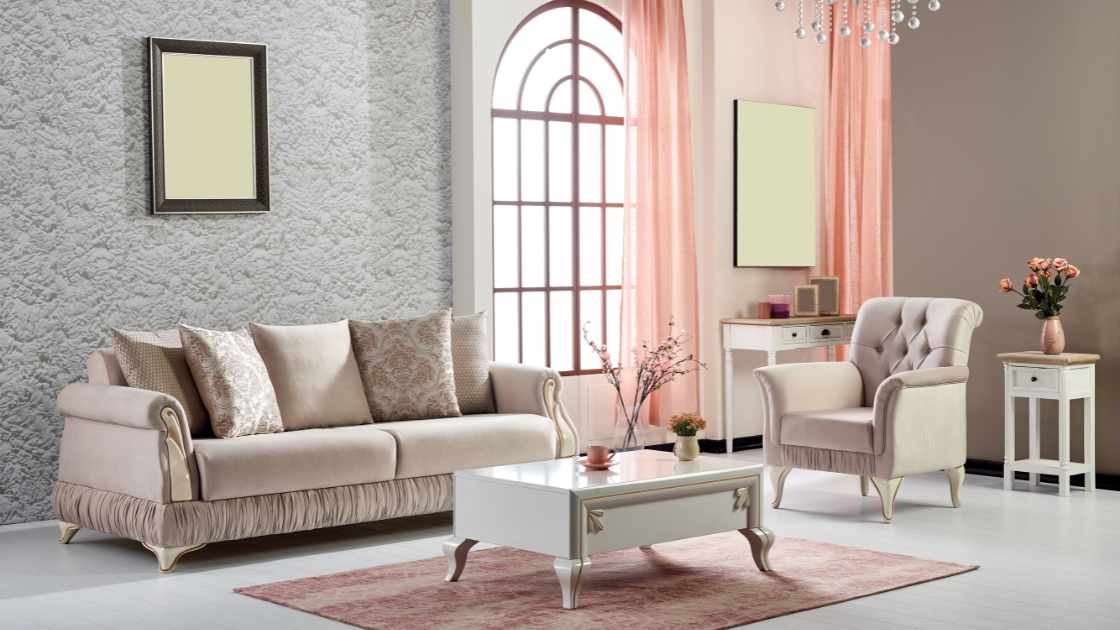
In an era of growing environmental awareness, sustainability has become a key consideration for many aspects of life, including interior design and furniture making. Custom furniture offers an excellent opportunity to create unique pieces tailored to your needs while making environmentally responsible choices. When selecting materials for custom furniture, opting for sustainable options is crucial for minimizing environmental impact and promoting healthier living spaces. Here’s a guide to help you make informed decisions about sustainable materials for your next custom furniture project.
A Comprehensive Guide
Understanding Sustainability in Furniture
Sustainability in furniture focuses on using materials and production methods that have a minimal negative impact on the environment. Sustainable furniture prioritizes:
Low environmental impact: The materials are sourced in a way that reduces damage to ecosystems, requires fewer resources, and minimizes waste.
Renewability: Materials are renewable, meaning they come from sources that can be replenished, such as plants and trees that are grown specifically for harvesting.
Durability: High-quality, long-lasting furniture reduces the need for frequent replacement, decreasing waste and resource use over time.
Low toxicity: Sustainable materials avoid the use of harmful chemicals and finishes, contributing to healthier indoor air quality.
Choosing Sustainable Wood
Wood is a timeless choice for furniture, but not all wood is equally sustainable. Here’s how to select eco-friendly wood options:
Reclaimed Wood: Using reclaimed or recycled wood is one of the most sustainable choices. It involves repurposing wood from old buildings, barns, or furniture, giving the material a second life while reducing demand for newly harvested timber. This also adds character to your custom furniture, as reclaimed wood often has a rich history and unique appearance.
Certified Sustainable Wood: If you prefer new wood, look for certifications such as the Forest Stewardship Council (FSC) label. FSC-certified wood comes from responsibly managed forests that prioritize reforestation, biodiversity, and minimal environmental impact.
Fast-Growing Hardwoods: Certain types of wood, such as bamboo and rubberwood, are sustainable because they grow quickly and regenerate efficiently. Bamboo, though technically a grass, is incredibly strong and versatile, making it an excellent option for furniture. Rubberwood, often a byproduct of latex production, is another eco-friendly alternative.
Sustainable Alternatives to Wood
If you want to move away from wood, there are several other sustainable materials that can be used for custom furniture:
Bamboo: As mentioned earlier, bamboo is fast-growing, highly renewable, and incredibly durable. It’s also naturally resistant to pests and requires fewer chemicals for production.
Cork: Cork is harvested from the bark of cork oak trees, which naturally regenerate their bark, making it a renewable and eco-friendly material. It’s lightweight, flexible, and provides excellent insulation, making it a great option for certain types of furniture.
Recycled Metal: Metals like steel, aluminum, and iron are highly durable and recyclable. Choosing furniture made from recycled metal helps reduce mining and manufacturing impacts while offering modern and industrial aesthetics.
Recycled Plastic: For contemporary and lightweight furniture, recycled plastic is an increasingly popular choice. It diverts plastic waste from landfills and the ocean, offering a more sustainable option compared to virgin plastic.
Eco-Friendly Upholstery Materials
The upholstery material you choose also plays a significant role in sustainability. Traditional fabrics and foams often contain synthetic materials and harmful chemicals, but there are eco-friendly alternatives:
Natural Fibers: Fabrics made from natural fibers like organic cotton, linen, hemp, and wool are more sustainable than synthetic fibers such as polyester. Organic cotton, in particular, is grown without harmful pesticides, while linen and hemp require less water and fewer chemicals to produce.
Recycled Fabrics: Some furniture manufacturers now offer upholstery made from recycled fabrics. These materials often come from post-consumer waste like plastic bottles, repurposed into durable and attractive textiles for custom furniture.
Low-VOC Foams and Adhesives: Many conventional foams release volatile organic compounds (VOCs), which can be harmful to indoor air quality. Look for low-VOC or natural latex foam, which is made from renewable rubber tree sap. Water-based adhesives are also preferable, as they emit fewer harmful fumes than traditional glues.
Sustainable Finishes
The finishing touches on your furniture are just as important as the core materials. Conventional paints, stains, and varnishes can release harmful chemicals, but there are sustainable alternatives:
Water-Based Finishes: Water-based paints and varnishes are low in VOCs, making them a healthier option for your home. They also reduce environmental pollution during manufacturing and application.
Natural Oils and Waxes: Using natural oils like linseed oil or beeswax to finish wooden furniture not only enhances its beauty but also preserves its sustainability. These finishes are non-toxic and biodegradable, and they help protect the wood while allowing it to breathe.
Powder Coating for Metals: For metal furniture, powder coating is an eco-friendly alternative to traditional paint. It uses an electrostatic process to apply the finish, which produces less waste and doesn’t release VOCs.
Locally Sourced Materials
When choosing materials for custom furniture, consider sourcing them locally. Local materials reduce the carbon footprint associated with transportation, support local economies, and often come with more transparency regarding their production processes. Additionally, working with local artisans allows for better collaboration on sustainable design choices.
Designing for Longevity
Sustainability also involves creating furniture that lasts. Opt for timeless designs and high-quality craftsmanship that will remain functional and stylish for years to come. Custom furniture should be versatile enough to adapt to changing interior trends, reducing the need for future replacements. Investing in well-made, durable pieces is one of the best ways to contribute to a sustainable home.
FAQs
What are the most sustainable types of wood for custom furniture?
The most sustainable wood options include reclaimed wood, which repurposes old timber, and FSC-certified wood, sourced from responsibly managed forests. Additionally, fast-growing hardwoods like bamboo and rubberwood are eco-friendly alternatives due to their rapid regeneration and low environmental impact.
Are there eco-friendly alternatives to traditional upholstery materials?
Yes! Sustainable upholstery options include natural fibers like organic cotton, linen, hemp, and wool, as well as recycled fabrics made from post-consumer waste. For cushioning, consider low-VOC foams or natural latex, which are less toxic and better for indoor air quality.
What kind of finishes are best for sustainable furniture?
For sustainable finishes, choose water-based paints and varnishes that are low in VOCs. You can also use natural oils (like linseed or beeswax) for wood finishes, or opt for powder coating on metal furniture, which produces less waste and doesn’t release harmful chemicals.
Conclusion
Choosing sustainable materials for custom furniture is a powerful way to reduce your environmental impact while enjoying beautiful, unique pieces in your home. By opting for eco-friendly wood, alternative materials, natural fabrics, low-VOC finishes, and locally sourced options, you can create furniture that is not only aesthetically pleasing but also aligned with your environmental values. Sustainable furniture design is a win-win for both your living space and the planet.