


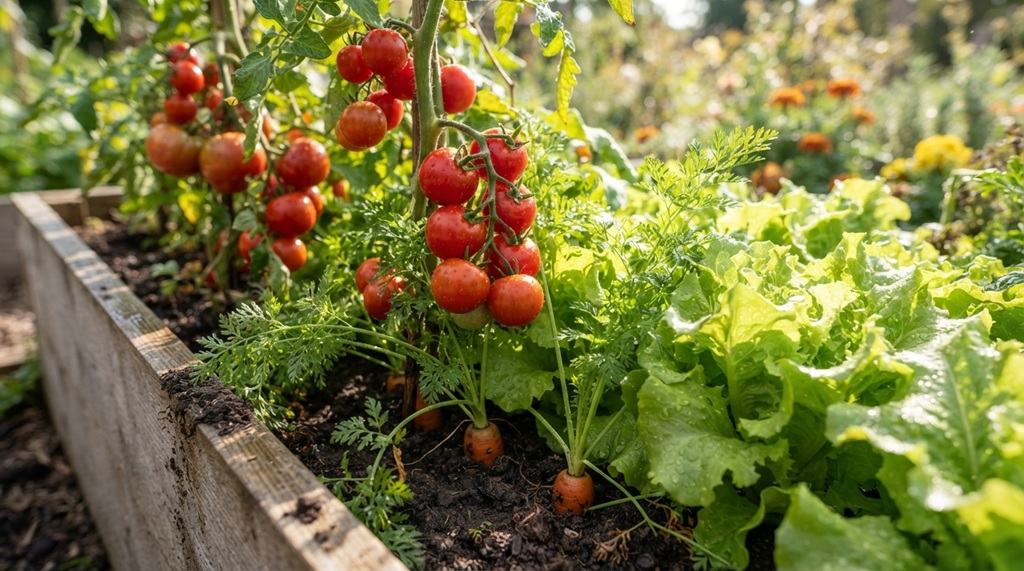
Starting a vegetable garden begins with three things: a sunny spot, healthy soil, and a handful of easy-to-grow plants. You don’t need acres of land or years of experience a few containers on a balcony or a small raised bed in the backyard is enough to get fresh, organic produce on your table within weeks.
For anyone who loves curating a beautiful home, a vegetable garden is more than a food source. It’s a living design element rows of glossy peppers, trailing cherry tomatoes, and herb pots by the kitchen door add texture, color, and life to outdoor spaces the same way a well-placed plant does indoors. Done thoughtfully, a vegetable garden can be as much a part of your home’s aesthetic as your furniture or your wall art.
This guide walks through exactly how to plan, plant, and maintain a vegetable garden, whether you have a full backyard or just a sunny windowsill.
Choose the Right Location for Your Garden

The right location comes down to one factor above all others: sunlight. Most vegetables need at least six to eight hours of direct sun a day, so before you dig a single hole or fill a single pot, spend a day watching how light moves across your space.
What to Look For in a Spot
- Sun exposure: South-facing areas typically get the most consistent light throughout the day.
- Drainage: Avoid low spots where water pools after rain; soggy roots invite rot.
- Access to water: A spot near a hose or watering can storage saves time during hot months.
- Wind protection: A fence, wall, or hedge nearby can shield young plants from damaging gusts.
Small-Space and Balcony Options
If you’re gardening in an apartment or a home with limited outdoor space, containers and vertical planters solve the sunlight problem without needing a yard at all. Railing planters, tiered plant stands, and hanging baskets let you grow tomatoes, herbs, and leafy greens on a balcony that gets good light, and they double as attractive outdoor decor rather than looking purely functional.
Mastering Your Soil: The Foundation of a Bountiful Harvest
Good soil is the single most critical factor in your garden’s success—outweighing even your choice of plant varieties. Vegetables thrive in loose, well-draining soil rich in organic matter, whereas compacted or nutrient-poor ground restricts root growth regardless of how often you water or fertilize. To evaluate your baseline, perform a quick squeeze test with a handful of damp earth: ideal loam crumbles gently, heavy clay clings in a tight ball that suffocates roots, and sandy soil disintegrates instantly without holding water. Incorporating a generous layer of compost or well-aged manure remedies these issues by loosening clay and helping sand retain moisture, though raised beds offer an equally fast workaround for poor native ground. Once your texture is right, balancing the underlying chemistry becomes the final crucial step before planting, which you can easily manage at home by learning test garden soil pH without a kit.
Pick Vegetables That Are Easy to Grow for Beginners
The best vegetables to start with are ones that are forgiving, fast-growing, and productive, so early mistakes don’t cost you a whole season. Trying to grow something finicky as your first crop is one of the most common reasons new gardeners give up.
Beginner-Friendly Vegetables
- Cherry tomatoes – productive, compact, and tolerant of minor care mistakes
- Leaf lettuce – ready to harvest in as little as 30-45 days
- Zucchini and summer squash – famously prolific once established
- Green beans – grow quickly and don’t require heavy feeding
- Radishes – often ready in under a month, great for quick wins
- Herbs like basil and mint – thrive in pots and add both flavor and fragrance to a patio
Matching Vegetables to Your Climate
Not every vegetable grows well everywhere, so it’s worth checking which growing zone you’re in before choosing what to plant. Cool-season crops like lettuce, spinach, and peas do best in spring and fall, while heat-loving plants like tomatoes, peppers, and squash need warm summer temperatures to thrive. Local garden centers and extension offices are usually the most reliable source for what performs well in your specific area.
Design Your Garden Layout
A garden layout should balance function with visual appeal, especially if the space is visible from your patio, kitchen window, or living area. Thinking of your vegetable garden as an extension of your outdoor decor, rather than a purely utilitarian plot, makes it far more enjoyable to spend time in.
Raised beds offer clean lines, better drainage, and a tidy, structured look that pairs well with modern outdoor furniture and gravel or paver pathways. In-ground rows are more cost-effective for larger spaces but require more soil prep. Container gardens are the most flexible option, letting you rearrange plants like you would furniture or decor pieces, and they work on patios, balconies, and even sunny indoor spots.
A genuinely useful design tip most gardening guides skip: group plants by height and habit the way you’d arrange objects on a shelf tall plants like tomatoes and pole beans at the back or center, medium plants like peppers in the middle, and low, trailing plants like strawberries or thyme along the edges. This creates natural visual layers, keeps taller plants from shading out smaller ones, and makes the garden look intentionally designed rather than randomly scattered.
Plant, Water, and Feed Your Vegetables Correctly
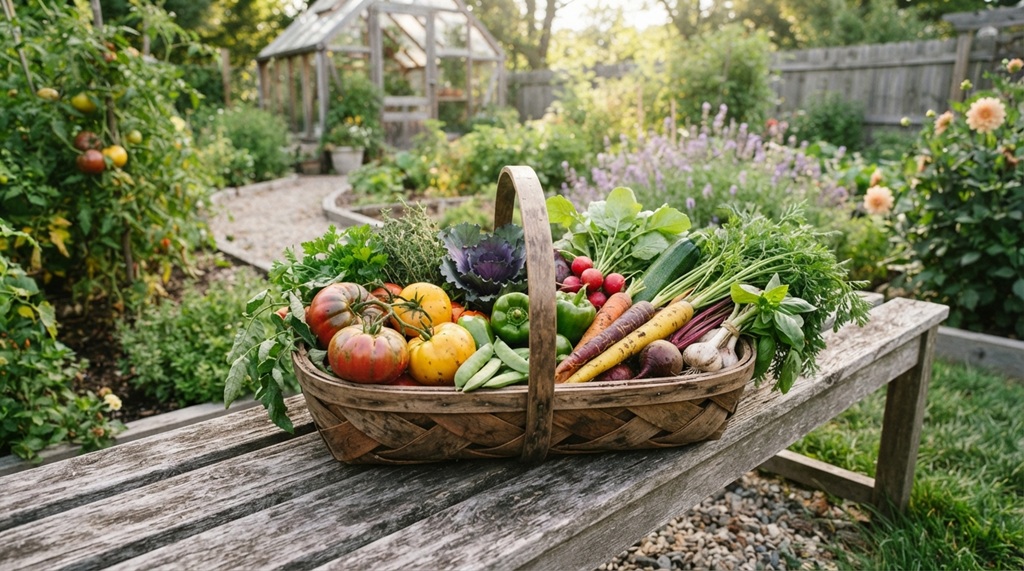
Correct planting depth, consistent watering, and appropriate feeding are what separate a struggling garden from a thriving one. Each vegetable has slightly different needs, but a few principles apply almost universally.
Planting Basics
Check the seed packet or plant tag for spacing and depth crowding plants too close together is one of the most common beginner mistakes, since it limits airflow and increases disease risk. As a general rule, plant seeds about twice as deep as their width, and give seedlings enough room to reach their mature size.
Watering Guidelines
Water deeply and less frequently rather than giving light daily sprinkles, since deep watering encourages roots to grow downward and makes plants more resilient during dry spells. Most vegetable gardens need about an inch of water per week, whether from rainfall or manual watering, though containers dry out faster and may need water every day or two in hot weather.
Feeding for Organic Growth
For truly organic produce, skip synthetic fertilizers and rely on compost, aged manure, or organic fertilizer blends instead. Side-dressing plants with compost partway through the growing season gives heavy feeders like tomatoes and squash an extra nutrient boost without introducing synthetic chemicals into your food.
Protect Your Garden Naturally From Pests and Weeds
Protecting a vegetable garden without synthetic chemicals is entirely possible through prevention, companion planting, and simple physical barriers. Since the whole point of growing your own vegetables is often to avoid the chemicals used in store-bought produce, organic pest control matters just as much as organic feeding.
Companion planting is one of the most effective natural strategies: marigolds planted around vegetable beds are widely used by gardeners to help deter certain pests, while herbs like basil planted near tomatoes are a classic pairing believed to improve growth and flavor. Physical barriers like row covers, netting, or copper tape around pots can keep out insects and slugs without any spraying at all.
For weeds, a layer of mulch straw, shredded leaves, or bark suppresses growth, retains soil moisture, and gives beds a finished, tidy appearance that fits well with a well-kept outdoor space. Hand-pulling weeds while they’re young and before they set seed is tedious but remains one of the most reliable organic methods available.
Harvest and Maintain Your Garden Through the Season
Regular harvesting is what keeps most vegetable plants productive, since many crops are bred to keep producing as long as you keep picking. Leaving ripe vegetables on the plant too long signals to it that its job is done, which slows or stops further production.
Check your garden every day or two once plants start producing, since fast-growing crops like zucchini and green beans can go from perfectly ripe to overgrown within a couple of days. Harvest herbs regularly too frequent light trimming actually encourages bushier, more productive growth rather than harming the plant.
At the end of the season, clear out spent plants, add a fresh layer of compost to your beds, and consider planting a cover crop or cool-season vegetables to keep the soil healthy and active until next spring.
Frequently Asked Questions
How long does it take to start seeing results from a vegetable garden?
Fast-growing crops like radishes and leaf lettuce can be ready to harvest in three to six weeks, while tomatoes and peppers typically take two to three months from planting to first harvest. Overall timing depends on the specific vegetable, your climate, and whether you started from seed or transplants.
Do I need a lot of space to start a vegetable garden?
No a few containers on a sunny balcony or patio can produce a meaningful amount of herbs, salad greens, and even tomatoes. Space determines variety and volume, not whether you can grow anything at all.
What’s the easiest vegetable for a complete beginner to grow?
Leaf lettuce and radishes are usually considered the easiest, since they germinate quickly, tolerate minor care mistakes, and don’t require staking or heavy feeding. Cherry tomatoes are a close second and tend to be more rewarding in terms of yield.
How do I keep my vegetable garden looking neat and decorative?
Use raised beds or matching containers for a structured look, mulch beds to hide bare soil, and group plants by height so the layout looks intentional rather than random. Adding a decorative edging, trellis, or small path can also tie the garden into your broader outdoor design.
Is it really cheaper to grow my own vegetables than to buy organic produce?
It can be, especially for crops that produce heavily over a season like tomatoes, zucchini, and herbs, though the initial cost of soil, containers, and tools means savings usually build up over time rather than immediately. The bigger, more consistent benefit most gardeners report is control over freshness and growing methods rather than upfront cost.
Conclusion
Starting a vegetable garden really comes down to picking a sunny spot, building healthy soil, choosing forgiving plants, and staying consistent with watering and harvesting. None of it requires special expertise just a bit of planning and regular attention. And with a thoughtful layout, your vegetable garden can double as one of the most alive, personal pieces of decor your home has to offer.