


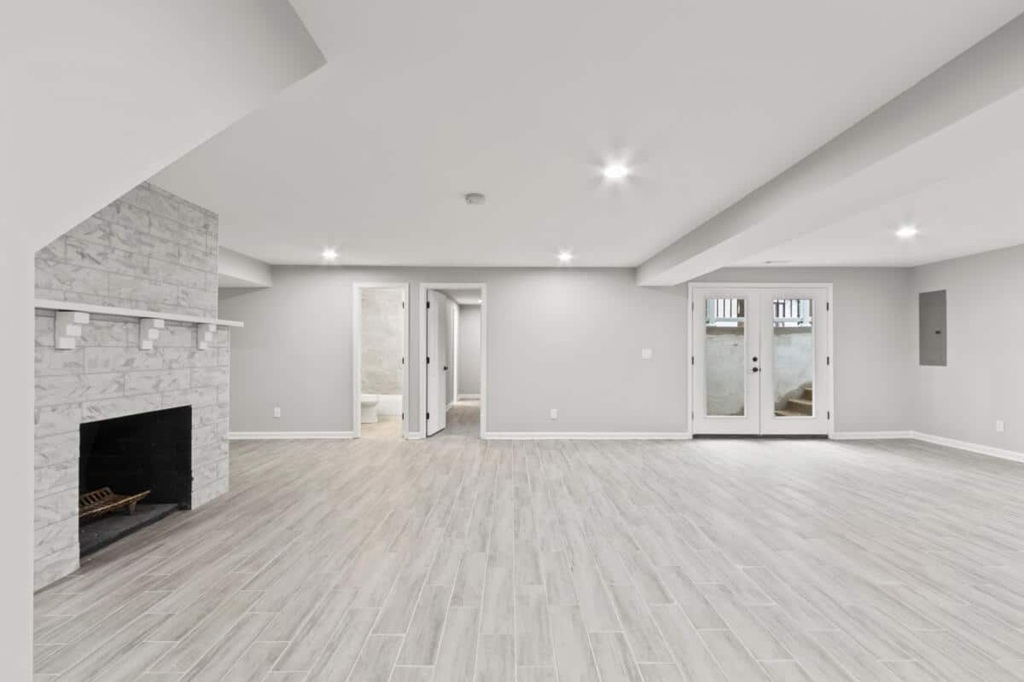
Your basement often gets a bad rap, conjuring images of damp concrete and forgotten storage. But what if we told you it could be an extension of your beautiful home, a vibrant rec room, a cozy guest suite, or even a functional home office – all without draining your savings on flooring? The key lies in choosing the right materials that offer both affordability and aesthetic appeal, along with crucial considerations for basement environments like moisture.
Basements present unique challenges. They’re prone to moisture, temperature fluctuations, and can often feel cold and unwelcoming. This means not just any flooring will do. You need options that can withstand these conditions while still looking fantastic and fitting your budget.
In this comprehensive guide, we’ll dive into 10 cheap basement flooring ideas that prove you don’t have to sacrifice style for savings. We’ll explore their pros and cons, installation considerations, and how to make them shine in your lower level.
Understanding Basement Flooring Challenges: Moisture is Key!
Before we jump into the flooring options, it’s vital to address the elephant in the basement: moisture. Due to their below-grade position, basements are inherently susceptible to moisture issues, whether it’s groundwater seepage, condensation, or plumbing leaks. Choosing a flooring material that can handle this is paramount to avoiding costly damage, mold, and mildew down the line.
Always conduct a moisture test before installing any basement flooring. Simple methods include taping a 2×2 foot piece of plastic to the concrete for 24-48 hours. If condensation forms under the plastic, you have a moisture problem that needs to be addressed before flooring installation. This might involve sealing the concrete, installing a vapor barrier, or improving drainage around your home.
Now, let’s explore the budget-friendly flooring solutions that can transform your basement!
-
Painted Concrete: The Ultimate Budget Blank Canvas
Starting with the most economical option, painted concrete is a fantastic choice if your concrete slab is in good condition. It’s essentially using your existing floor as a canvas for creativity.
Pros:
- Extremely Affordable: Often just the cost of paint and supplies.
- Highly Moisture Resistant: As long as you use appropriate concrete paint and sealers, it’s very tolerant of moisture.
- Easy to Clean: A simple sweep and mop are usually all it takes.
- Customizable: Endless possibilities for color, patterns (stripes, stencils, geometric designs), and even faux finishes like marble or stained concrete.
- DIY-Friendly: A project many homeowners can tackle themselves.
Cons:
- Cold Underfoot: Concrete is naturally cold, so this option won’t add warmth. Area rugs can mitigate this.
- Hard Surface: Not the most comfortable for long periods of standing or for play areas.
- Preparation is Crucial: The concrete needs to be thoroughly cleaned, patched, and properly primed for the paint to adhere well and last.
- Can Show Imperfections: Cracks or unevenness in the concrete will be highlighted by paint.
Design Tip: Go for a light color to brighten up a naturally dark basement. Consider adding a non-slip additive to the paint for safety.
-
Concrete Stain: Adding Depth and Character
Similar to painted concrete, concrete stain penetrates the surface of the concrete, creating a translucent, mottled effect that can mimic natural stone or aged leather. It offers a more sophisticated look than simple paint.
Pros:
- Affordable: Slightly more expensive than paint, but still very budget-friendly.
- Moisture Tolerant: Like paint, it’s highly resistant to moisture once properly sealed.
- Durable: Resists chipping and peeling since it’s absorbed into the concrete.
- Unique Aesthetic: Creates a rich, varied appearance that’s naturally appealing.
- Low Maintenance: Easy to clean and care for.
Cons:
- Still Cold and Hard: Shares the same tactile downsides as painted concrete.
- Permanent: The stain is absorbed, so changing the color dramatically later can be challenging.
- Highlights Imperfections: Stains can sometimes accentuate existing cracks or patches in the concrete.
- Requires Careful Application: Uneven application can lead to blotchiness, so practice on a small, inconspicuous area first.
Design Tip: Experiment with different application techniques (e.g., rag, sprayer) to achieve varied looks. Consider a neutral color to keep the space versatile.
-
Peel-and-Stick Vinyl Tiles: The DIY Dream
Peel-and-stick vinyl tiles are a go-to for budget-conscious DIYers. These self-adhesive tiles come in a vast array of colors, patterns, and even mimic wood or stone.
Pros:
- Very Affordable: One of the cheapest tile options available.
- Incredibly Easy to Install: Simply peel off the backing and stick them down. Perfect for a weekend project.
- Water-Resistant: Vinyl itself is water-resistant, making it suitable for basements. However, the adhesive might be susceptible to extreme moisture, so a proper subfloor preparation is still key.
- Wide Variety of Styles: Find options to match virtually any decor.
- Easy to Replace: If a tile gets damaged, you can simply remove and replace it.
Cons:
- Durability Can Vary: Cheaper tiles might show wear and tear more quickly.
- Requires a Very Smooth Subfloor: Any bumps or imperfections in the concrete will eventually show through the tiles.
- Adhesive Issues: In very damp basements, the adhesive can lose its grip over time. Consider adding extra adhesive for longevity.
- Can Look “Cheap” if Not Installed Well: Proper alignment and cutting are essential for a professional finish.
Design Tip: Lay out your pattern before sticking to ensure proper alignment and a cohesive look. Consider a checkerboard pattern for a classic diner feel or a multi-tone layout for a unique design.
-
Sheet Vinyl Flooring: Seamless and Practical
Sheet vinyl comes in large rolls, allowing for a near-seamless installation that’s highly effective at resisting moisture. It’s an upgrade from peel-and-stick in terms of durability and moisture protection.
Pros:
- Cost-Effective: Still very affordable, especially compared to higher-end options.
- Excellent Moisture Resistance: Fewer seams mean fewer entry points for water.
- Durable: Modern sheet vinyl is much tougher and more resistant to tears and scuffs than older versions.
- Easy to Clean: Its smooth surface makes spills and dirt a breeze to wipe away.
- Comfortable Underfoot: Offers a bit more cushioning than hard concrete or tile.
Cons:
- Installation Can Be Tricky: While some DIYers tackle it, cutting and laying large sheets accurately can be challenging and might require professional help.
- Subfloor Imperfections Show: Like vinyl tiles, a smooth, level subfloor is crucial.
- Repairs Can Be Harder: If a large section is damaged, patching can be noticeable.
Design Tip: Look for patterns that mimic wood planks or ceramic tiles for a more sophisticated look without the price tag.
-
Luxury Vinyl Plank (LVP) & Luxury Vinyl Tile (LVT): The Aesthetically Pleasing Workhorse
LVP and LVT are fantastic options that offer the aesthetic appeal of hardwood or natural stone at a fraction of the cost. These planks and tiles are thicker and more rigid than traditional vinyl, often featuring click-and-lock installation systems.
Pros:
- Highly Water-Resistant (Often Waterproof): Many LVP/LVT products are 100% waterproof, making them ideal for basements prone to moisture.
- Incredible Realism: Advanced printing technology creates convincing wood grain textures and stone patterns.
- Durable: Designed for high-traffic areas and resist scratches, dents, and scuffs.
- Relatively Easy to Install: Many feature DIY-friendly click-and-lock systems, allowing for a floating installation.
- Comfortable: More resilient and warmer underfoot than ceramic tile or concrete.
Cons:
- Higher Cost Than Basic Vinyl: While still affordable, it’s generally more expensive than peel-and-stick or sheet vinyl.
- Subfloor Prep Still Important: A level subfloor is necessary for proper installation and to prevent gaps.
- Can Be Cold Without Underlayment: While warmer than concrete, an underlayment can add further insulation and sound dampening.
Design Tip: Choose wider planks for a more contemporary feel, or select LVT with interesting geometric patterns to create a focal point.
-
Carpet Tiles: Warmth and Flexibility
Carpet tiles offer the comfort and sound absorption of traditional carpeting but with a key advantage for basements: modularity.
Pros:
- Affordable: Often priced per tile, allowing for budget control.
- DIY-Friendly Installation: Many are peel-and-stick or simply lay down, making them easy for homeowners.
- Warmth and Comfort: Adds significant insulation and a soft feel underfoot, making the basement more inviting.
- Sound Absorption: Excellent for reducing echoes and noise, especially in entertainment areas.
- Easy to Replace: If a tile gets stained or damaged, you can simply swap it out without replacing the entire floor.
- Variety of Colors and Patterns: Allows for creative designs and customization.
Cons:
- Moisture Sensitivity: While better than broadloom carpet, some carpet tiles can still be susceptible to mold and mildew if exposed to prolonged moisture. Look for synthetic fibers and waterproof backings.
- Cleaning: Can trap dirt and allergens, requiring regular vacuuming.
- Can Look “Commercial”: Some designs might have a more commercial feel, though residential options are increasingly stylish.
Design Tip: Mix and match different colors or patterns to create unique area rug effects or define different zones within your basement.
-
Rubber Flooring: The Resilient and Practical Choice
Often seen in gyms and utility areas, rubber flooring is gaining popularity in basements due to its exceptional durability and moisture resistance. It’s an excellent choice for a home gym, play area, or workshop.
Pros:
- Extremely Durable: Withstands heavy traffic, impacts, and spills with ease.
- Highly Water-Resistant: Many options are completely waterproof, making them ideal for damp environments.
- Comfortable and Cushioned: Provides excellent shock absorption, making it comfortable for exercise or play.
- Sound Dampening: Reduces noise, which is beneficial in basements.
- Easy to Install: Often comes in interlocking tiles or rolls, making DIY installation straightforward.
- Stain Resistant: Easy to clean and maintain.
Cons:
- Limited Aesthetic Appeal: While styles are improving, it still has a more utilitarian look compared to other options.
- Initial Odor: Some rubber flooring can have a distinct rubber smell, especially when new, though this typically dissipates.
- Heavy: Rolls or large tiles can be heavy to move and install.
Design Tip: Use darker colors to mask any potential scuffs or stains in high-traffic areas. Consider bright accent colors in a playroom.
Related: Learn How To Get Paint Off Wood Floor
-
Ceramic Tile: Durable Elegance on a Budget

Ceramic tiles offer a timeless, elegant look and are incredibly durable. While some tiles can be pricey, there are many affordable ceramic options that can elevate your basement’s aesthetic.
Pros:
- Highly Water-Resistant: Ceramic tile is virtually impervious to water, making it a top choice for moisture-prone basements.
- Extremely Durable: Resists scratches, dents, and heavy traffic, lasting for decades.
- Easy to Clean: Simple to wipe down and maintain.
- Versatile Design Options: Available in an endless array of colors, sizes, and patterns, including options that mimic wood or natural stone.
- Adds Value: Can give your basement a high-end feel.
Cons:
- Cold and Hard Underfoot: Can feel chilly and unforgiving, especially in colder climates.
- Grout Maintenance: Grout lines can collect dirt and require regular cleaning and sealing.
- Installation Complexity: While DIY is possible, professional installation is often recommended due to the need for precise cuts, leveling, and grouting. This adds to the cost.
- Can Crack: While durable, heavy impacts can cause cracks, and replacing individual tiles can be challenging.
Design Tip: Use larger tiles to make a small basement feel more expansive. Consider wood-look ceramic planks for the warmth of wood with the durability of tile.
-
Engineered Hardwood (with caution): When You Crave Wood’s Warmth
While solid hardwood is generally a no-go for basements due to moisture sensitivity, engineered hardwood offers a more stable alternative. It’s constructed with multiple layers, including a real wood veneer, making it less prone to warping and buckling than solid wood.
Pros:
- Aesthetic Appeal: Provides the timeless beauty and warmth of real wood.
- More Moisture Resistant than Solid Wood: Its layered construction makes it more stable in fluctuating humidity.
- Adds Value: A desirable flooring option that can increase home value.
- Comfort Underfoot: Warmer and softer than tile or concrete.
Cons:
- Higher Cost: While cheaper than solid hardwood, it’s generally one of the more expensive “budget” options on this list.
- Still Susceptible to Extreme Moisture: While improved, prolonged standing water or very high humidity can still cause damage. A good vapor barrier is essential.
- Limited Refinishing: The real wood veneer is thinner than solid wood, so it can only be refinished a few times, if at all.
- Installation Can Be Complex: Can be a floating installation or glued down, and requires precise cuts.
Design Tip: Choose lighter wood tones to brighten up the basement. Consider a wider plank for a modern farmhouse look. Crucially, if you have any recurring moisture issues, even minor ones, steer clear of engineered hardwood.
-
OSB/Plywood Subfloor with Paint/Sealant: The Bare Bones Functional Approach
For those with extremely tight budgets or basements primarily used for utility, storage, or as a temporary space, finishing the existing subfloor (if it’s OSB or plywood) with paint or sealant can be a highly economical solution. This assumes you already have a subfloor in place over your concrete slab.
Pros:
- Extremely Low Cost: Primarily the cost of paint/sealant and brushes.
- DIY-Friendly: A straightforward painting project.
- Quick to Install: Can be completed in a weekend.
- Decent Moisture Resistance: A good quality sealant can offer a barrier against minor moisture.
Cons:
- Limited Aesthetic Appeal: This is a very rustic, utilitarian look.
- Not Highly Durable: Can be susceptible to scratches, dents, and swelling from significant moisture.
- Cold and Hard: Will still feel cold and hard underfoot.
- Can Emit VOCs: Ensure good ventilation during and after painting, especially with oil-based sealants.
Design Tip: Use bold, bright colors to create a playful atmosphere in a utility room or workshop. Consider adding large, soft area rugs to introduce comfort and warmth.
Related: Sweeping Techniques for Different Types of Floors
Choosing the Best Option for Your Basement
When making your final decision, consider these factors:
- Your Budget: Clearly define how much you’re willing to spend.
- Basement Usage: Will it be a high-traffic family room, a quiet guest bedroom, a messy workshop, or a home gym?
- Moisture Levels: This is the most critical factor. Be honest about your basement’s dampness and choose accordingly.
- DIY Skill Level: Some options are much easier for a homeowner to install than others.
- Aesthetic Preference: What kind of look and feel are you hoping to achieve?
- Comfort & Warmth: How important is it for the floor to be soft and warm underfoot?
Transforming your basement doesn’t have to be a costly endeavor. By carefully considering these affordable yet attractive flooring ideas, you can create a functional, beautiful, and inviting space that adds value to your home without breaking the bank. Remember, smart choices now will save you headaches and expenses in the long run. Happy renovating!