


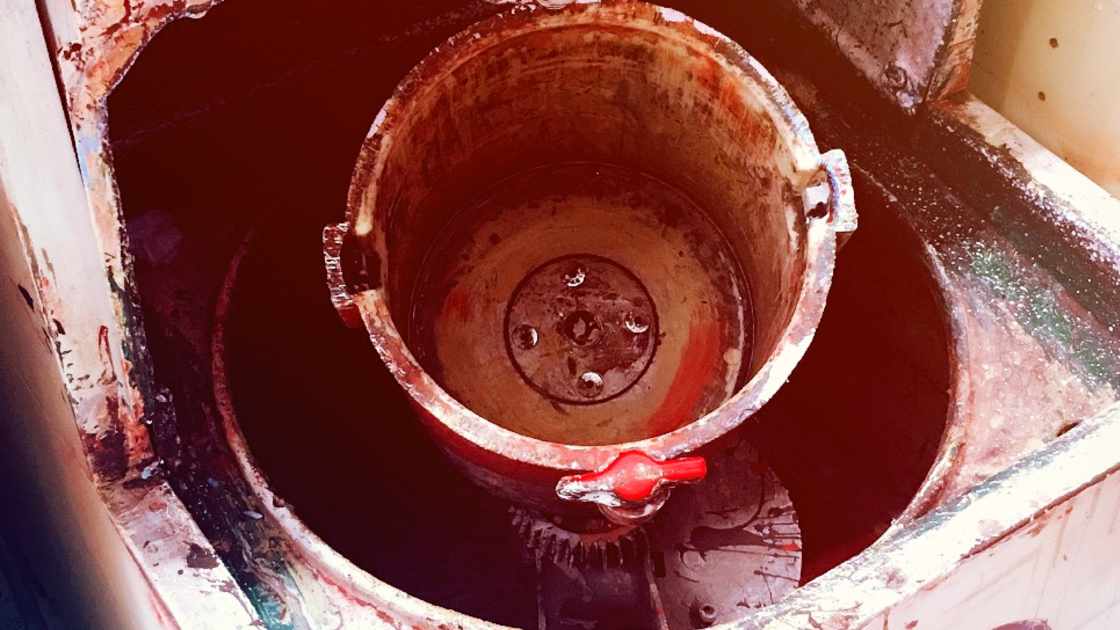
Commercial paint shakers play a crucial role in the world of paint and coatings, ensuring that the pigments, binders, and additives are thoroughly mixed to provide a consistent and high-quality finish. Whether you’re a professional painter, a DIY enthusiast, or a hardware store owner, understanding the inner workings of a commercial paint shaker can enhance your appreciation for this indispensable tool. In this article, we’ll delve into the mechanics of a commercial paint shaker and explore how it efficiently blends various components to achieve a homogeneous mixture.
Demystifying the Mechanics: How Does a Commercial Paint Shaker Work?
The Basics of Commercial Paint Shakers
Commercial paint shakers are designed to mix paint containers of various sizes, ranging from small cans to larger buckets, ensuring that the paint is well-blended before application. These shakers come equipped with robust motors and shaking mechanisms that provide the necessary agitation to thoroughly mix the paint components. Let’s break down the key components and the process behind the operation of a commercial paint shaker.
Motor and Power System
At the heart of a commercial paint shaker is a powerful motor. This motor is responsible for driving the shaking mechanism, providing the force needed to agitate and mix the paint thoroughly. The power system is designed to deliver consistent and controlled energy to ensure optimal mixing without compromising the integrity of the paint.
Shaking Mechanism
Commercial paint shakers utilize a shaking mechanism to agitate the paint containers. This mechanism typically involves a set of clamps or holders that secure the paint container in place during the shaking process. The shaking motion can be linear or orbital, depending on the design of the shaker. The purpose of the shaking mechanism is to create a vigorous and controlled movement that facilitates the blending of pigments, binders, and additives.
Timer and Controls
To provide users with control over the mixing process, commercial paint shakers are equipped with timers and controls. Users can set the desired duration for shaking based on the type and size of the paint container. This feature ensures consistency across batches and allows for customization based on the specific requirements of different paint formulations.
The Mixing Process
When a paint container is securely placed in the clamps or holders, the commercial paint shaker initiates the shaking process. The vigorous shaking motion induced by the mechanism causes the paint components to blend thoroughly. This agitation breaks up any settled particles, disperses pigments evenly, and ensures that the paint has a uniform consistency. The timer allows the user to control the duration of the shaking process, preventing overmixing and potential issues such as air bubbles.
FAQs
How does a commercial paint shaker operate?
A commercial paint shaker operates through a combination of a powerful motor and a shaking mechanism. The motor drives the shaking mechanism, which securely holds the paint container in place during the process. The vigorous shaking motion ensures thorough mixing of pigments, binders, and additives to achieve a homogeneous paint mixture.
What is the role of the shaking mechanism in a commercial paint shaker?
The shaking mechanism in a commercial paint shaker plays a crucial role in agitating the paint components. It typically involves clamps or holders that secure the paint container, creating a controlled shaking motion. This motion is designed to break up settled particles, disperse pigments evenly, and promote a consistent blend of the various elements within the paint.
How does the timer and controls contribute to the functionality of a commercial paint shaker?
The timer and controls in a commercial paint shaker allow users to customize the mixing process. By setting the desired duration of shaking, users can control the consistency of the paint without overmixing. This feature ensures uniform results across different batches and prevents potential issues such as air bubbles, providing users with precise control over the paint preparation process.
Final Thought
In summary, a commercial paint shaker is a sophisticated tool that employs a combination of a powerful motor, shaking mechanism, and precise controls to achieve consistent and thorough mixing of paint components. Understanding the mechanics behind a commercial paint shaker provides valuable insights into its operation, enabling professionals and enthusiasts alike to make informed decisions about paint preparation. As an essential device in the paint industry, the commercial paint shaker plays a vital role in delivering high-quality finishes and maintaining the integrity of paint formulations.