


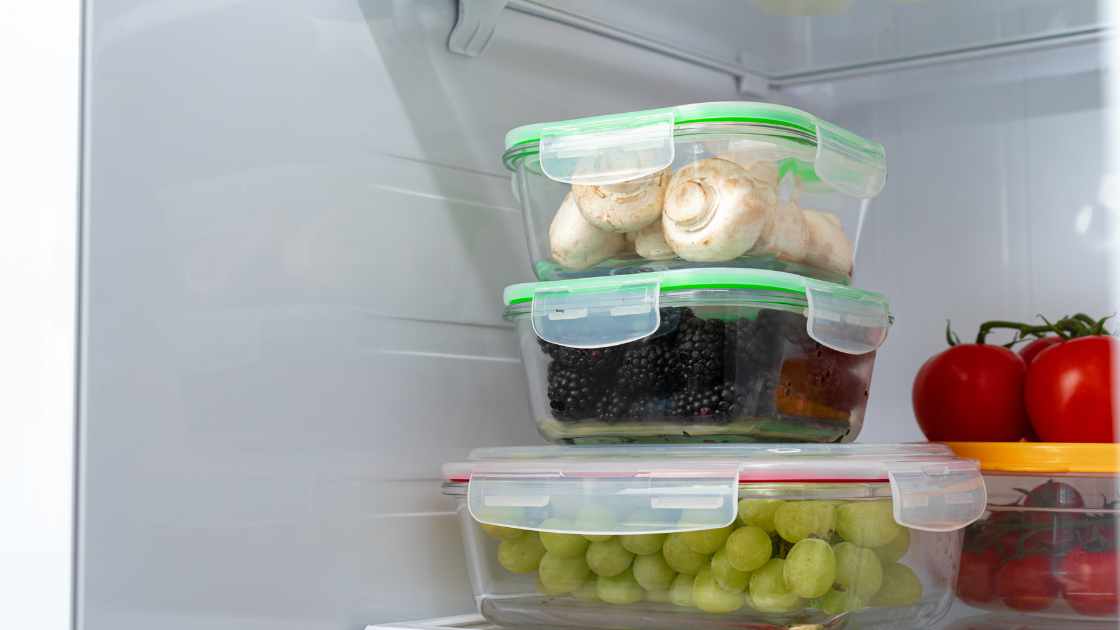
Organizing food storage containers can be a daunting task, especially when dealing with mismatched lids, different shapes and sizes, and limited cabinet space. A well-organized cabinet not only saves time but also makes cooking and meal preparation more efficient. Here’s an in-depth guide on how to organize food storage containers in a cabinet, ensuring a clutter-free and easily accessible kitchen space.
Assess and Declutter
Start with a Clean Slate: Begin by emptying your cabinet completely. Take out all your food storage containers and lids, and lay them out on a flat surface. This allows you to see what you have and assess the situation.
Sort and Purge: Sort the containers by size and type. Discard any damaged or stained containers, as well as those that no longer have matching lids. If you have too many of one type, consider donating or recycling the extras.
Categorize Containers
Group by Type: Organize the containers into categories such as plastic, glass, and specialty containers (e.g., for baking or meal prep). Grouping similar items together makes it easier to find what you need.
Match Lids with Containers: Ensure each container has a matching lid. Stack lids by size or type in a separate pile. This step helps you identify any mismatched or missing pieces.
Choose an Organizational System
Stackable Containers: Opt for stackable containers that nest inside each other. This saves space and keeps the cabinet neat. Containers of the same brand and design often stack better.
Drawer or Shelf Dividers: Use drawer or shelf dividers to create sections within your cabinet. This helps keep different types of containers and lids separate and prevents them from shifting around.
Lid Organizers: Invest in a lid organizer or rack to keep lids upright and easily accessible. You can use a file organizer, tension rods, or a specially designed lid holder.
Utilize Cabinet Space Efficiently
Vertical Storage: Store containers vertically, like books on a shelf, if space allows. This method makes it easier to see and grab the container you need without disturbing the entire stack.
Use the Back of Cabinet Doors: Attach adhesive hooks or small racks to the inside of cabinet doors to hang lids or store small containers. This makes use of often-overlooked space and keeps items within easy reach.
Tiered Shelving: Use tiered shelves or risers to create additional levels within your cabinet. This maximizes vertical space and prevents containers from being stacked too high, which can lead to instability and difficulty accessing items.
Label and Maintai
Label Containers and Shelves: Label the shelves or containers themselves to indicate where each type of container and lid should go. This makes it easier to maintain the organization system over time and helps other family members know where to put things back.
Regular Maintenance: Periodically go through your food storage containers to ensure they are still in good condition and that the organization system is working. Declutter and reorganize as needed to maintain efficiency.
Tips for Long-Term Organization
Consistent Sizes and Shapes: Stick to a few consistent sizes and shapes for your containers. This makes stacking and storing them easier and more efficient.
Clear Containers: Use clear containers so you can easily see what’s inside without having to open each one. This also helps identify containers that are missing their lids.
Accessible Placement: Store frequently used containers in easy-to-reach places, while placing less frequently used items in higher or lower cabinets.
Separate Specialty Items: Keep specialty containers, like those used for baking or meal prep, in a separate section of the cabinet or even in a different cabinet. This prevents them from cluttering your everyday container storage.
FAQs
How can I prevent my food storage containers from becoming a mess in the cabinet?
To prevent a mess, use stackable containers that nest inside each other, employ drawer or shelf dividers to create sections, and invest in a lid organizer to keep lids upright and easily accessible. Regularly declutter and ensure each container has a matching lid to maintain order.
What is the best way to store lids for food storage containers?
The best way to store lids is to use a lid organizer or rack that keeps them upright and easily accessible. You can also use file organizers, tension rods, or adhesive hooks on the inside of cabinet doors to keep lids organized and within reach.
How often should I declutter my food storage container cabinet?
It’s a good idea to declutter your food storage container cabinet every few months. Regularly checking for damaged, stained, or mismatched containers and lids helps maintain an organized and efficient storage system.
Final Thought
Organizing food storage containers in a cabinet requires a thoughtful approach to decluttering, categorizing, and utilizing space efficiently. By following these steps and maintaining your system regularly, you can ensure that your kitchen remains functional and organized. With a well-organized cabinet, meal prep becomes easier and more enjoyable, saving you time and frustration in the long run.