


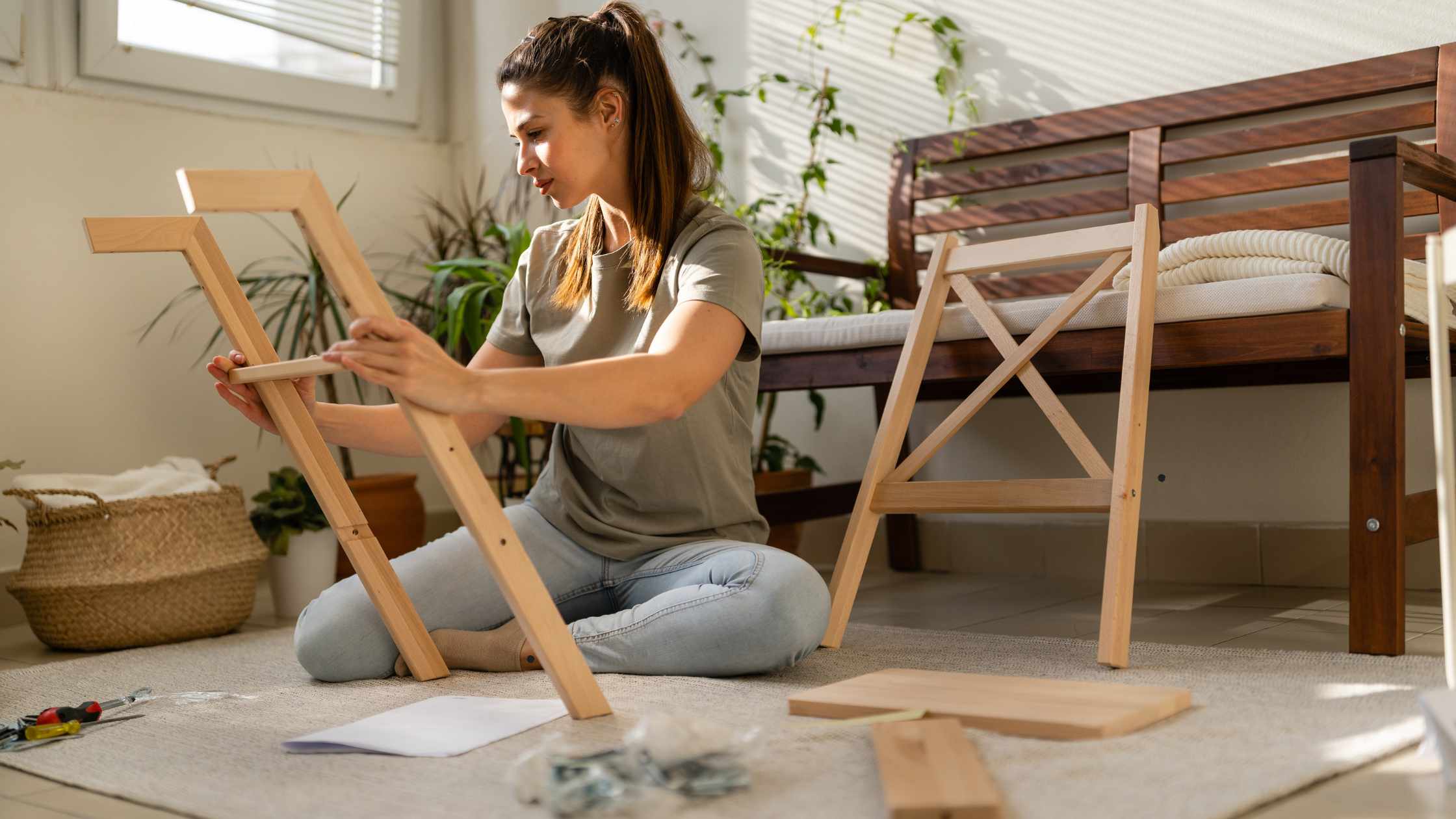
Painting furniture can give it a fresh look, breathe new life into old pieces, and allow you to match it with your decor. Achieving a smooth, professional-looking finish requires proper preparation, the right tools, and specific techniques. Here’s a step-by-step guide to help you paint furniture like a pro.
Why Aim for a Smooth Finish?
A smooth finish not only enhances the aesthetics of your furniture but also improves its durability. It ensures the paint adheres well, resists chipping, and provides a polished, professional appearance.
Materials and Tools Needed
Materials
Paint (latex, oil-based, or chalk paint)
Primer (compatible with your paint type)
Sandpaper (various grits: 80, 120, 220)
Wood filler (if needed)
Cleaning solution (like TSP)
Topcoat or sealant (polyurethane or wax)
Tools
Paintbrushes (high-quality, synthetic bristles for smooth application)
Foam roller (for large, flat surfaces)
Tack cloth
Paint tray
Drop cloth or plastic sheeting
Screwdriver (for disassembling hardware)
Step-by-Step Instructions
Step 1: Prepare the Furniture
Clean Thoroughly
Remove dirt, grease, and grime using a cleaning solution.
Let the furniture dry completely.
Remove Hardware
Take off handles, knobs, and hinges for easier access.
Repair Damage
Fill any cracks or dents with wood filler.
Sand the repaired areas smooth once the filler has dried.
Step 2: Sand the Surface
Start with Coarse Sandpaper (80-120 grit)
Sand the surface to remove old paint, varnish, or imperfections.
For previously painted surfaces, scuff the paint to create a surface for the new paint to adhere to.
Finish with Fine Sandpaper (220 grit)
Smooth the surface for a polished base.
Wipe away dust with a tack cloth.
Step 3: Apply Primer
Choose the Right Primer
Use a primer suitable for your paint type and furniture material (wood, metal, etc.).
Apply Evenly
Use a brush or foam roller to apply a thin, even coat of primer.
Let it dry completely, following the manufacturer’s instructions.
Sand Again
Lightly sand the primed surface with 220-grit sandpaper to remove any brush marks or drips.
Wipe away dust with a tack cloth.
Step 4: Paint the Furniture
Choose the Right Paint
Latex paint is great for beginners.
Chalk paint offers a matte finish and requires minimal prep.
Oil-based paint provides a durable finish but takes longer to dry.
Apply Thin Coats
Use a foam roller for large areas and a brush for edges or intricate details.
Apply the paint in long, even strokes or passes.
Let Each Coat Dry
Allow the paint to dry thoroughly between coats (refer to the paint can for drying times).
Sand lightly with 220-grit sandpaper between coats for an ultra-smooth finish.
Apply a Second or Third Coat
Continue applying thin coats until you achieve full, even coverage.
Step 5: Add a Protective Topcoat
Choose a Finish
Polyurethane for a durable, glossy or satin finish.
Wax for a softer, matte finish.
Apply Evenly
Use a foam brush or lint-free cloth for a smooth application.
Allow the topcoat to cure fully for maximum durability.
Pro Tips for a Perfect Finish
Invest in Quality Tools: High-quality brushes and rollers reduce streaks and uneven texture.
Work in a Dust-Free Environment: Ensure the workspace is clean to avoid dust settling on wet paint.
Avoid Overloading the Brush: Excess paint leads to drips and uneven coverage.
Work with the Grain: When painting wood, always follow the grain for a natural look.
Common Mistakes to Avoid
Skipping Primer: Primer ensures better adhesion and a smoother finish.
Rushing Drying Times: Allow each coat to dry completely to prevent smudging and unevenness.
Neglecting Sanding: Proper sanding eliminates imperfections and creates a flawless base.
FAQs
Do I need to sand furniture before painting?
Yes, sanding is essential to remove imperfections and create a surface that allows paint to adhere better, especially for previously finished furniture.
Can I skip the primer if I’m using chalk paint?
Chalk paint often claims to eliminate the need for primer, but for a smoother finish and better durability, applying a primer is recommended, especially on dark or glossy surfaces.
How many coats of paint should I apply?
Typically, 2–3 thin coats provide even and smooth coverage. Let each coat dry completely and sand lightly between coats for the best results.
Conclusion
Painting furniture to achieve a smooth finish is all about preparation, patience, and technique. By following these steps and using quality materials, you can transform your furniture into a stunning piece that looks professionally done. Take your time, follow the process, and enjoy the satisfaction of your refreshed furniture!