


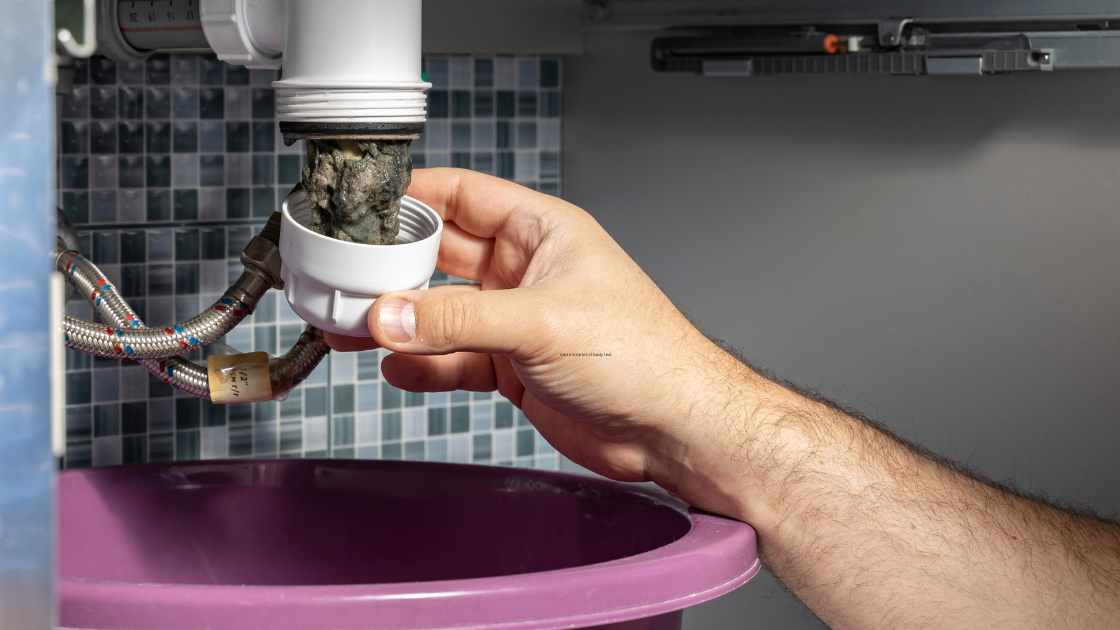
Plumber’s glue, often referred to as PVC cement or pipe adhesive, is designed to create a strong, watertight bond between pipes and fittings. However, if it accidentally gets on metal surfaces, it can be challenging to remove. Whether you’re dealing with excess glue from a plumbing project or a spill, knowing how to remove it without damaging the metal is essential. This guide will walk you through the process step-by-step, using materials that are likely already in your home or easily obtainable.
Step 1: Gather Your Materials
Before you start, make sure you have the following materials:
Protective gloves: To protect your hands from harsh chemicals.
Safety goggles: To shield your eyes from splashes.
Rags or paper towels: For wiping off the glue and cleaning the surface.
Acetone or nail polish remover: A solvent that can break down the glue.
Isopropyl alcohol: Helps in cleaning the residue after using acetone.
Plastic scraper or old credit card: To gently scrape off the glue without scratching the metal.
Fine steel wool or scouring pad: For stubborn spots, but use cautiously to avoid scratching.
Mild soap and water: For the final cleaning.
Step 2: Test the Solvent
Before applying acetone or any solvent to the metal surface, it’s important to test it on a small, inconspicuous area. This ensures that the solvent doesn’t damage or discolor the metal. Apply a small amount of the solvent to a rag and gently rub it on the test area. If there are no adverse effects, you can proceed with the rest of the surface.
Step 3: Apply the Solvent to the Glue
Once you’ve confirmed that the solvent is safe to use, dampen a rag with acetone or nail polish remover. Press the rag against the glue on the metal for a few minutes. The solvent will begin to break down the glue, making it easier to remove.
Note: Work in a well-ventilated area when using acetone or nail polish remover, as the fumes can be strong and potentially harmful if inhaled in large quantities.
Step 4: Scrape Off the Glue
After the glue has softened, use a plastic scraper or an old credit card to gently scrape it off the metal surface. Be careful not to apply too much pressure to avoid scratching the metal. If the glue is still stubborn, reapply the solvent and allow it to sit for a bit longer before scraping again.
For small or intricate areas, you can use a cotton swab dipped in acetone to target specific spots more precisely.
Step 5: Use Steel Wool for Stubborn Spots
If there are still some glue remnants that are difficult to remove, you can use fine steel wool or a scouring pad to gently scrub the area. Be very gentle to prevent scratching the metal surface. This step is optional and should only be used if necessary.
Step 6: Clean the Area
After removing the glue, wipe the area with a rag dampened with isopropyl alcohol. This will help remove any remaining residue from the solvent and glue, leaving the surface clean. Finally, wash the metal with mild soap and water, then dry it with a clean cloth.
Step 7: Inspect the Surface
Once the metal is clean and dry, inspect the surface to ensure all the glue has been removed. If you notice any spots that were missed, you can repeat the process as needed. After the glue is completely removed, your metal surface should look as good as new.
Tips and Precautions
Ventilation: Always work in a well-ventilated area when using acetone or other strong solvents to avoid inhaling harmful fumes.
Protective Gear: Wear gloves and safety goggles to protect your skin and eyes from chemicals.
Avoid Harsh Scraping: Be cautious when scraping off the glue, as metal surfaces can be easily scratched, especially if they have a polished or brushed finish.
Alternative Solvents: If acetone is not available, you can try using rubbing alcohol or vinegar as a milder alternative. These may take longer to work but are less likely to damage the metal.
FAQs
Can I use any solvent to remove plumber’s glue from metal?
Acetone or nail polish remover is most effective for dissolving plumber’s glue. If acetone is not available, you can also try rubbing alcohol or vinegar, though they may be less effective and require more time.
Will using steel wool scratch the metal surface?
Fine steel wool can potentially scratch the metal if used too aggressively. It’s best to use it gently and only if necessary. For delicate surfaces, consider using a plastic scraper or cloth instead.
How do I ensure the metal surface is completely clean after removing the glue?
After removing the glue, wipe the area with isopropyl alcohol to remove any residual solvent or glue. Then, wash the metal with mild soap and water, and dry it thoroughly to ensure a clean and residue-free surface.
Conclusion
Removing plumber’s glue from metal can be a bit of a challenge, but with the right materials and careful technique, you can successfully clean the surface without causing damage. Whether you’re cleaning up after a plumbing project or addressing an accidental spill, this guide provides the steps you need to restore your metal surfaces to their original condition.