


Table of Contents
ToggleMastering the Plumbing Maze: A Comprehensive Guide on How to Use a Plumber’s Auger
Understanding the Plumber’s Auger
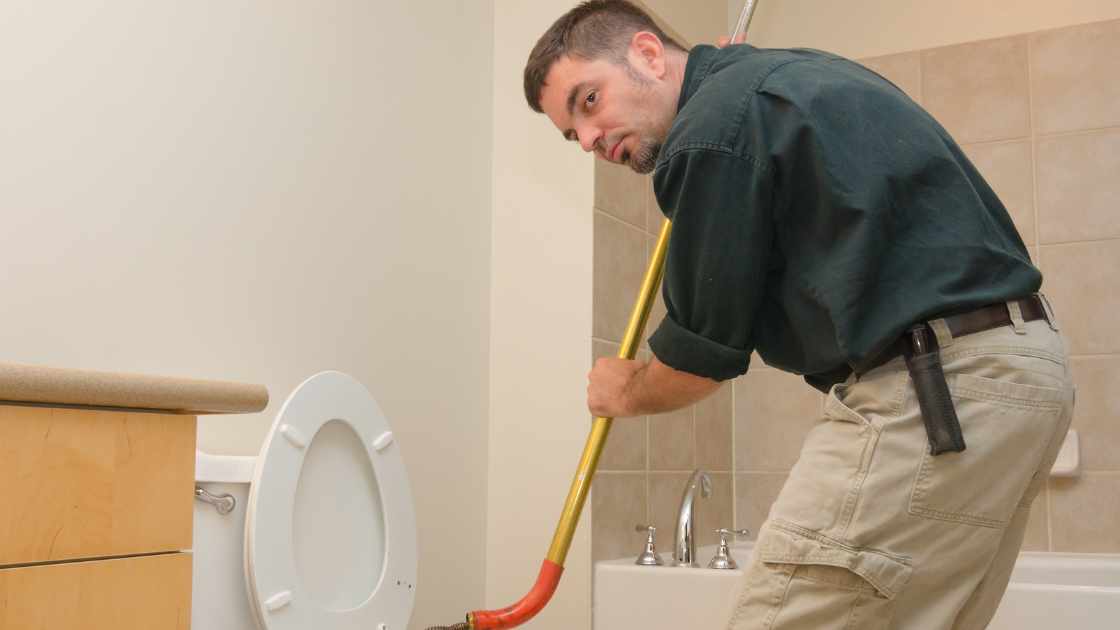
A plumber’s auger is a flexible, coiled wire tool designed to navigate through pipes and break up or retrieve clogs. It typically consists of a handle, a long flexible cable, and a corkscrew-like auger at the end. The auger is designed to navigate bends and curves in pipes, making it an effective tool for dislodging blockages.
Safety First
Before you start using a plumber’s auger, it’s crucial to prioritize safety. Wear protective gear, including gloves and safety glasses, to shield yourself from any potential splashes or debris during the process. Additionally, ensure that the surrounding area is clear, providing a safe workspace.
Locating the Clog
Identify the drain that is experiencing the blockage. Remove the drain cover if applicable, and use a flashlight to inspect the drain for any visible debris or obstructions. Understanding the location of the clog will guide you in effectively using the plumber’s auger.
Preparing the Plumber’s Auger
Extend the auger’s cable to its full length, ensuring that the corkscrew end is ready to enter the drain. Lock the auger in place, either by using the built-in mechanism or tightening any screws or knobs present. This ensures stability as you navigate the cable through the pipes.
Inserting the Auger
Carefully insert the corkscrew end of the plumber’s auger into the drain. Slowly feed the cable into the pipe, rotating the handle as needed to help the auger navigate bends and obstacles. Maintain a steady and controlled motion to prevent the cable from kinking or getting stuck.
Breaking Up the Clog
Once the auger encounters the clog, you may feel resistance. Use a gentle but firm back-and-forth motion to break up the obstruction. If the auger has a retrieval feature, such as a claw or hook, you can attempt to pull the debris out. Be patient and persistent, avoiding excessive force that could damage the pipes.
Retracting the Auger
After successfully breaking up the clog, retract the plumber’s auger by rotating the handle in the opposite direction. This will bring the cable back through the pipes. Wipe the cable clean as you retract it to prevent any debris from splashing.
Testing the Drain
Finally, test the drain by running water to ensure the clog has been completely cleared. If necessary, repeat the process to address any remaining blockages.
FAQs
Can I use a plumber’s auger on any type of drain?
While plumber’s augers are versatile, it’s essential to choose the right type for the drain. Sink augers are suitable for bathroom and kitchen sinks, while toilet augers are designed specifically for toilet drains. It’s crucial to match the auger to the type of drain you are addressing for optimal effectiveness.
Is it safe to use a plumber’s auger without professional plumbing experience?
Yes, using a plumber’s auger is generally safe for individuals with basic DIY skills. Follow the manufacturer’s instructions, wear protective gear, and exercise caution. If you encounter significant resistance or are unsure about the issue, it’s advisable to seek professional assistance to avoid potential damage to your plumbing system.
Can a plumber’s auger damage my pipes?
When used correctly, a plumber’s auger is unlikely to damage pipes. However, it’s crucial to avoid using excessive force and to be mindful of the type of auger you’re using. Plastic pipes may be more sensitive to force than metal ones. If unsure, consult the manufacturer’s guidelines or seek professional advice to prevent any unintended damage.
Final Thought
Using a plumber’s auger is a valuable skill for homeowners looking to address minor plumbing issues independently. By following these steps and exercising caution, you can confidently navigate your plumbing system, effectively clearing clogs and maintaining the flow of water through your pipes. Remember, if the clog persists or if you’re uncomfortable performing the task, it’s advisable to seek professional assistance to avoid potential damage to your plumbing system.