


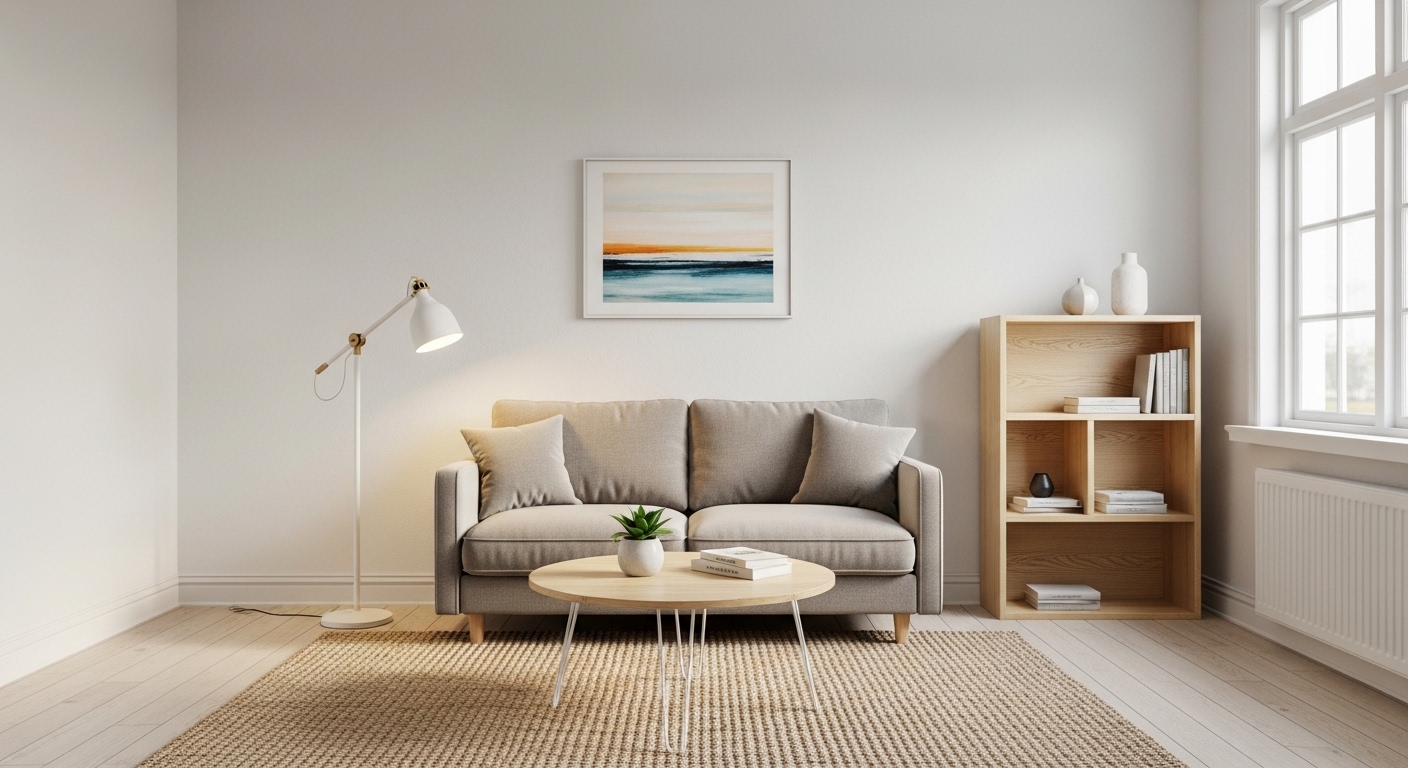
A cluttered home drains energy, slows productivity, and increases stress. Many beginners try minimalism but stop halfway because they don’t know where to begin or what to remove first. The result is frustration, wasted money, and unfinished decluttering projects.
A proper minimalist home setup is not about empty rooms. It is about intentional living. When every object has purpose, your space becomes easier to clean, cheaper to maintain, and more comfortable to live in daily.
This step-by-step guide shows exactly how beginners can build a minimalist home setup without confusion, without expensive redesign, and without throwing away everything they own. Follow each stage in order for the best results.
What Is a Minimalist Home Setup for Beginners?
A minimalist home setup removes unnecessary possessions and organizes essential items to improve function, clarity, and comfort. Beginners should start by decluttering visible surfaces, limiting furniture, choosing neutral colors, and keeping only useful objects. The goal is a practical space that supports daily life with less distraction and maintenance.
Minimalism is often misunderstood as living with almost nothing. That is incorrect. A beginner-friendly minimalist setup focuses on efficiency, not emptiness.
The purpose is to reduce decision fatigue inside your home. Fewer objects mean fewer distractions. Fewer distractions increase productivity and mental clarity.
A minimalist setup typically includes:
- Functional furniture only
- Clear walking pathways
- Neutral color palette
- Limited decorative objects
- Hidden storage solutions
- Multipurpose household items
This structure makes cleaning faster and daily routines smoother. It also lowers long-term expenses because fewer items need replacement.
Beginners should avoid removing everything at once. Instead, follow a structured approach room by room. This prevents burnout and helps maintain motivation.
Why Should Beginners Start With a Minimalist Home Setup?
Beginners benefit from minimalist home setups because they reduce stress, improve organization, lower maintenance time, and create more usable living space. A structured minimalist approach also helps control spending habits and prevents clutter from returning after cleaning or redecorating.
Clutter increases visual noise. Visual noise increases mental fatigue. When your environment becomes simpler, your brain processes information faster.
Minimalist spaces also improve:
- Focus during work
- Sleep quality
- Cleaning efficiency
- Storage management
- Budget control
Many beginners notice the biggest benefit within the first week. Surfaces become easier to wipe. Items become easier to locate. Rooms feel larger without renovation.
Minimalism also protects against impulse purchases. When your space follows a structure, unnecessary objects become easier to identify before buying them.
This creates long-term lifestyle change rather than temporary organization.
How Do You Declutter Step-by-Step Without Feeling Overwhelmed?
Start decluttering by removing visible surface clutter first, then sort storage areas, then reduce duplicate items, and finally eliminate unused furniture. Work in short sessions and complete one category at a time to maintain progress without stress.
Decluttering fails when beginners attempt everything at once. A step-by-step system prevents decision fatigue.
Follow this sequence:
- Clear tables and countertops
- Remove unused decorations
- Sort clothing by frequency of use
- Reduce kitchen duplicates
- Organize cables and electronics
- Remove broken items immediately
Visible clutter should always be removed first. It creates instant improvement and motivation.
Next, move to hidden clutter. Storage areas often contain items that have not been used for years.
Ask three practical questions:
- Did I use this in the last year?
- Does this solve a real problem?
- Would I buy this again today?
If the answer is no, remove it.
This system keeps the process logical rather than emotional.
What Furniture Should Beginners Keep in a Minimalist Home?
Beginners should keep essential furniture that supports daily routines such as a comfortable bed, functional seating, workspace surface, storage unit, and proper lighting. Remove decorative or oversized furniture that does not improve usability or movement inside the room.
Furniture determines how spacious a room feels. Too many pieces create blocked pathways and visual pressure.
Minimalist homes prioritize movement and function.
Keep only:
- One main seating option per room
- One storage solution per category
- Compact work surface if needed
- Comfortable sleeping arrangement
- Essential lighting fixtures
Avoid:
- Duplicate side tables
- Unused chairs
- Large decorative cabinets
- Oversized sofas for small spaces
Multipurpose furniture improves efficiency significantly.
| Furniture Type | Minimalist Option | Why It Works Better |
|---|---|---|
| Coffee table | Storage ottoman | Adds seating and hidden storage |
| Bookshelf | Wall shelves | Saves floor space |
| Bed frame | Drawer bed | Reduces need for extra cabinets |
| Dining table | Foldable table | Improves flexibility |
This approach increases space without renovation.
Which Colors Work Best for a Minimalist Home Setup?
Neutral colors like white, beige, gray, and soft earth tones work best for minimalist homes because they reflect light, reduce visual clutter, and create a calm environment. Beginners should avoid high-contrast palettes and limit accent colors to one or two controlled areas.
Color influences how large a space feels. Lighter tones reflect more natural light and improve visual openness.
Use this layering strategy:
- Base color: white or light gray
- Secondary tone: beige or warm neutral
- Accent color: muted green or soft blue
Avoid mixing too many strong shades. Each additional color increases visual complexity.
Minimalist palettes improve:
- Lighting reflection
- Wall cleanliness appearance
- Furniture matching flexibility
- Long-term decor adaptability
Neutral foundations also make seasonal decoration easier without redesigning the entire room.
How Should Storage Be Organized in a Minimalist Home?
Minimalist storage should hide non-daily items, group similar objects together, and keep frequently used items accessible. Closed storage units reduce visual clutter while labeled containers improve efficiency and prevent accumulation of unnecessary belongings.

Storage determines whether minimalism lasts long-term.
Without structure, clutter returns quickly.
Use three storage zones:
- Daily-use zone
- Weekly-use zone
- Rare-use zone
Daily items stay visible but organized. Weekly items stay inside drawers. Rare items stay inside closed cabinets.
Effective minimalist storage includes:
- Drawer organizers
- Vertical shelving
- Bed storage compartments
- Stackable containers
Labeling containers prevents duplicate purchases and keeps systems consistent.
This structure reduces cleaning time dramatically.
How Do You Maintain a Minimalist Home Long-Term?
Maintain a minimalist home by following a one-in-one-out rule, reviewing possessions monthly, cleaning surfaces daily, and avoiding impulse purchases. Consistent habits prevent clutter from returning and protect the simplicity of your living environment.
Minimalism fails when maintenance stops.
Small habits protect long-term results.
Follow these rules:
- Remove one item for every new purchase
- Reset surfaces every evening
- Donate unused objects monthly
- Avoid storage overflow
Schedule a 10-minute weekly reset routine. This keeps clutter from building silently.
Minimalist homes stay functional because systems remain simple.
Consistency matters more than perfection.
What Mistakes Should Beginners Avoid When Setting Up a Minimalist Home?
Beginners should avoid removing necessary items too quickly, copying unrealistic minimalism trends, buying storage before decluttering, and replacing clutter with decorative purchases. Minimalism works best when changes are gradual and based on real lifestyle needs.
Many beginners create problems by rushing the process.
Common mistakes include:
- Throwing away useful daily tools
- Buying aesthetic containers first
- Following extreme minimalist examples
- Ignoring storage planning
- Decluttering emotionally instead of logically
Minimalism should support comfort, not reduce convenience.
A realistic setup always adapts to your habits instead of forcing unrealistic routines.
Conclusion: Build a Minimalist Home Setup That Works Daily
A beginner minimalist home setup succeeds when it follows structure instead of trends. Start with visible clutter. Reduce unnecessary furniture. Choose neutral colors. Organize storage logically. Maintain simple routines.
These steps transform your home without expensive renovation or complicated redesign.
Minimalism is not about removing everything. It is about keeping what improves your daily life and removing what slows you down.
Start with one room today. Apply the step-by-step system in this guide. Within weeks, your home will feel larger, cleaner, and easier to manage.
The sooner you begin, the sooner your space starts working for you instead of against you.
Frequently Asked Questions
How do I start minimalism if my home is very cluttered?
Start with visible surfaces like tables and countertops first. Removing surface clutter creates immediate improvement and motivation. After that, move to storage areas category by category instead of cleaning entire rooms at once.
How long does it take to set up a minimalist home?
Most beginners can create a functional minimalist setup within two to four weeks by working one room at a time. Long-term maintenance habits usually form within two months of consistent organization routines.
Do minimalist homes look empty or boring?
No. Minimalist homes focus on intentional design rather than empty space. Neutral colors, balanced furniture placement, and controlled decoration create calm environments that feel structured instead of unfinished.
Can minimalism work in small apartments?
Yes. Minimalism works especially well in small apartments because it improves movement space and storage efficiency. Multipurpose furniture and vertical storage solutions make compact homes feel larger and more functional.
What is the best room to start minimalism?
The living room is usually the easiest place to begin because removing surface clutter creates immediate visible improvement. This builds motivation before moving to bedrooms and storage-heavy areas.
Do I need to buy new furniture for minimalist design?
No. Most minimalist setups use existing furniture more efficiently. Only replace items if they block movement, create clutter, or duplicate another function already present in the home.
How do I stop clutter from coming back?
Follow a one-in-one-out rule for purchases, review unused items monthly, and reset surfaces daily. These simple habits prevent clutter from returning and maintain long-term minimalist organization.
Read More Also: How Much Does a Plumber Charge to Change a Flange?
Learn More: How Many Hours Does It Take to Paint a Room?