


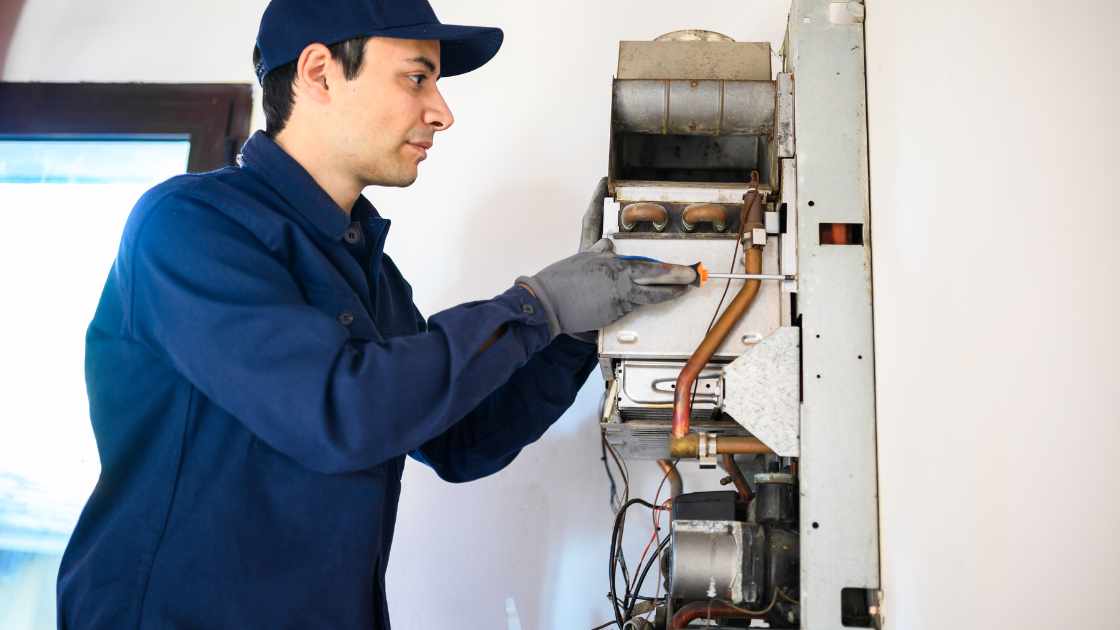
A sudden water heater failure can be a major inconvenience. Whether it’s a cold shower in the morning or unexpected leaks, dealing with a malfunctioning water heater is never fun. However, knowing how to handle the situation can save you time, money, and stress. Here’s a step-by-step guide on what to do when your water heater fails suddenly.
A Comprehensive Guide
Identify the Problem
Before you can address the issue, you need to diagnose it. Common signs of water heater failure include:
No Hot Water: This is often the most noticeable problem. It could be due to a faulty heating element or a tripped circuit breaker.
Inconsistent Water Temperature: If your water temperature fluctuates, there might be an issue with the thermostat or sediment build-up.
Leaks: Water pooling around the base of the heater usually indicates a leak, which could be caused by a loose connection or a more serious internal issue.
Strange Noises: Rumbling or popping sounds might be a sign of sediment accumulation in the tank.
Turn Off the Power or Gas Supply
For safety reasons, the first thing you should do when you suspect a water heater problem is to turn off the power or gas supply.
Electric Water Heater: Switch off the circuit breaker that controls the water heater.
Gas Water Heater: Turn the gas valve to the “Off” position.
This will prevent any further damage or safety hazards.
Check for Immediate Leaks
If you notice water pooling around the heater, try to identify the source of the leak. Sometimes, a loose pipe or connection can be tightened temporarily. However, if the leak is coming from the tank itself, you’ll likely need a replacement.
Examine the Thermostat and Heating Elements
For electric water heaters, check the thermostat settings. They should typically be set between 120-140°F (49-60°C). If the thermostat is malfunctioning, it might need adjustment or replacement.
Inspect the heating elements as well. If they’re faulty, they might need to be replaced. This often requires a professional, so if you’re not comfortable doing this yourself, it’s time to call in an expert.
Flush the Tank
Sediment build-up in the tank can cause various problems. If your water heater is making strange noises, flushing the tank might help. Here’s a brief guide:
Turn Off the Heater: Ensure the power or gas is off.
Attach a Hose: Connect a garden hose to the drain valve at the bottom of the tank.
Drain the Tank: Open the drain valve and let the water flow out until it runs clear.
Close the Valve and Refill: Close the valve, remove the hose, and turn the water supply back on.
Inspect the Anode Rod
The anode rod helps prevent tank corrosion. If it’s corroded or depleted, it should be replaced. This task usually requires some technical know-how, so if you’re unsure, seek professional help.
Contact a Professional
If these steps don’t resolve the issue, or if you’re uncomfortable performing any of them, it’s best to call a licensed plumber or technician. They can perform a thorough diagnosis and recommend the best course of action.
Consider Replacement
Sometimes, a water heater is beyond repair. If your unit is old or has sustained significant damage, replacement might be the most cost-effective option. Consider the age of your water heater; most units last between 8-12 years.
Prevention for the Future
To minimize the risk of future problems:
Regular Maintenance: Schedule annual check-ups and maintenance.
Flush the Tank Regularly: This helps prevent sediment build-up.
Inspect the Anode Rod: Replace it if necessary.
FAQs
What should I do immediately if my water heater fails?
If your water heater fails, the first step is to turn off the power or gas supply to prevent further damage or safety hazards. For electric heaters, switch off the circuit breaker. For gas heaters, turn the gas valve to the “Off” position. Then, check for any leaks and address them if possible. If the problem persists or you’re unsure, contact a professional plumber or technician for assistance.
How can I determine if my water heater needs repairs or replacement?
You can determine if your water heater needs repairs or replacement by assessing the age of the unit and the nature of the problem. If your water heater is over 8-12 years old and is experiencing significant issues such as leaks or inconsistent water temperature, replacement might be more cost-effective. For specific issues like sediment build-up or faulty components, repairs might be sufficient. Consulting a professional will help you make the best decision.
Can I fix a water heater myself, or should I always call a professional?
Basic tasks like checking the thermostat settings, flushing the tank, or tightening loose connections can sometimes be handled yourself if you’re comfortable with DIY repairs. However, for more complex issues, such as replacing heating elements, dealing with leaks from the tank, or handling gas components, it’s best to call a professional. Proper diagnosis and repair by an expert ensure safety and prevent further damage.
Conclusion
A sudden water heater failure can disrupt your daily routine, but by staying calm and following these steps, you can manage the situation effectively. Identifying the problem, turning off power or gas, and seeking professional help when needed will help you get back to normal as soon as possible. Regular maintenance can also help prevent future issues and extend the life of your water heater.