


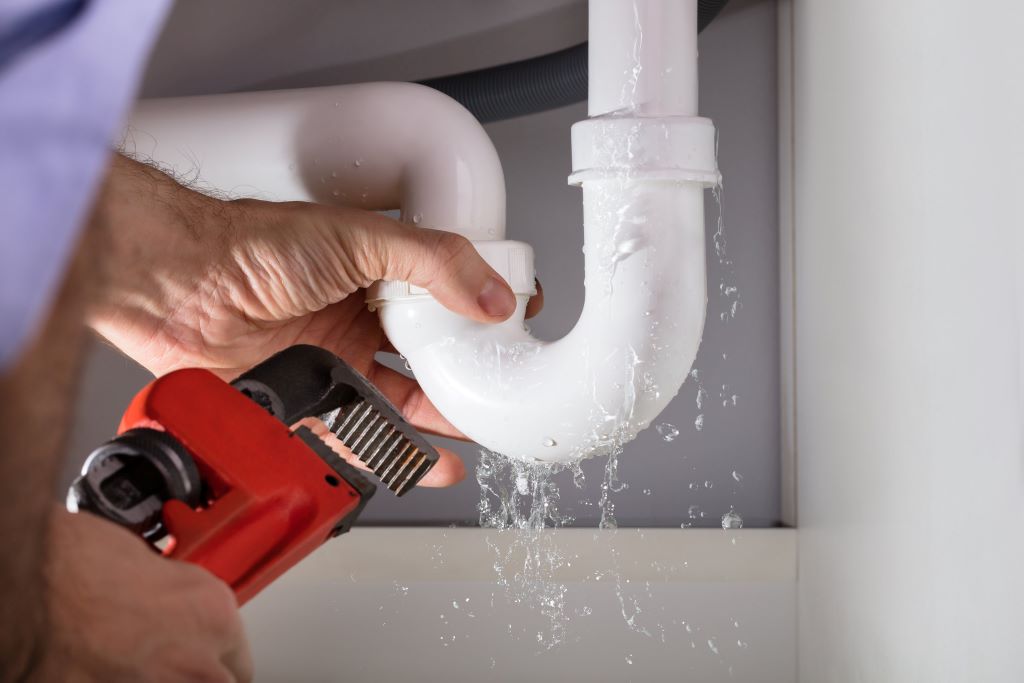
Water pipes squealing can be an annoying and perplexing issue for homeowners. That high-pitched whine or screech coming from your plumbing can disrupt your peace and signal underlying problems. In this comprehensive guide, we’ll explore why water pipes squeal, common causes, practical fixes, and prevention strategies to keep your plumbing quiet and efficient. Whether you’re a DIY enthusiast or need to call a professional, this article will equip you with the knowledge to tackle squealing water pipes effectively.
What Does It Mean When Water Pipes Squeal?
A squealing or whistling sound from your water pipes typically occurs when water flows through them under specific conditions. This noise, often described as a high-pitched whine, can happen when you turn on a faucet, flush a toilet, or run an appliance like a washing machine. While not always a sign of a major issue, persistent squealing may point to problems that, if ignored, could lead to leaks, reduced water pressure, or costly repairs.
Understanding the root cause is the first step to silencing the noise. Let’s dive into the most common reasons for squealing water pipes and how to address them.
Common Causes of Squealing Water Pipes
-
High Water Pressure
High water pressure is a leading culprit behind squealing pipes. When water flows through your plumbing system at excessive pressure—typically above 60 psi (pounds per square inch)—it can force its way through narrow pipes or fittings, creating turbulence and vibrations that produce a squealing sound.
- Why it happens: Most residential plumbing systems are designed for 40-60 psi. Pressure beyond this can strain pipes, valves, and fixtures, leading to noise.
- Signs: Squealing when faucets or appliances are in use, banging noises (water hammer), or leaks.
-
Water Hammer
Water hammer occurs when fast-moving water suddenly stops or changes direction, such as when a valve or faucet closes abruptly. This sudden stop creates a pressure surge, causing pipes to vibrate and squeal or bang.
- Why it happens: Quick-closing valves in dishwashers, washing machines, or toilets often trigger this issue.
- Signs: A loud bang or a series of squeals and thuds after shutting off water.
-
Loose or Worn-Out Washers and Valves
Inside faucets and shut-off valves, rubber washers and components wear out over time. When these parts become loose, cracked, or deteriorated, water can flow unevenly, causing vibrations and a squealing noise.
- Why it happens: Age, mineral buildup from hard water, or poor-quality materials degrade washers and seals.
- Signs: Squealing specific to one faucet or valve, dripping, or inconsistent water flow.
-
Partially Closed Valves
A partially closed or obstructed shut-off valve—whether at the main water supply or under a sink—restricts water flow. This restriction forces water through a smaller opening, increasing velocity and causing a whistle or squeal.
- Why it happens: Valves may be unintentionally left partially closed after repairs or maintenance.
- Signs: Noise localized to one area, reduced water pressure at specific fixtures.
-
Pipe Restrictions or Blockages
Mineral deposits, corrosion, or debris inside pipes can narrow the pathway for water. This restriction increases water velocity and pressure at certain points, leading to squealing.
- Why it happens: Hard water leaves calcium and lime buildup, while older metal pipes (e.g., galvanized steel) may corrode.
- Signs: Squealing combined with low water pressure or discolored water.
-
Air in the Pipes
Air trapped in your plumbing system can create bubbles that disrupt water flow, leading to squealing or gurgling sounds as water moves past.
- Why it happens: Air enters during repairs, water main breaks, or when pipes aren’t properly bled after being shut off.
- Signs: Sputtering faucets, squealing, or irregular water flow.
How to Fix Squealing Water Pipes
Now that you know the causes, here’s how to fix squealing water pipes. Some solutions are DIY-friendly, while others may require a plumber. Always turn off the main water supply and exercise caution when working on plumbing.
-
Check and Adjust Water Pressure
- Step 1: Test your water pressure with a pressure gauge, available at hardware stores. Attach it to an outdoor spigot or faucet and read the psi.
- Step 2: If pressure exceeds 60 psi, locate your pressure regulator (often near the main water shut-off valve).
- Step 3: Adjust the regulator by turning the screw counterclockwise to lower pressure to 40-60 psi, per manufacturer instructions.
- Pro Tip: If you don’t have a regulator or can’t adjust it, call a plumber to install one.
-
Install a Water Hammer Arrestor
- Step 1: Identify the source of the water hammer (e.g., near a washing machine or dishwasher).
- Step 2: Purchase a water hammer arrestor, a device that absorbs pressure shocks, from a hardware store.
- Step 3: Install it on the affected water line per the manufacturer’s instructions, or hire a plumber for complex setups.
- Benefit: This stops both squealing and banging, protecting pipes from damage.
-
Replace Worn Washers and Valves
- Step 1: Turn off the water supply to the squealing faucet or valve.
- Step 2: Disassemble the faucet or valve using a wrench and screwdriver to access the washer or cartridge.
- Step 3: Replace the worn washer, O-ring, or cartridge with a new one of the same size and type.
- Step 4: Reassemble, turn on the water, and test for noise.
- Note: If the valve itself is damaged, replace the entire unit.
-
Fully Open Valves
- Step 1: Locate all shut-off valves—main, under sinks, or near appliances.
- Step 2: Turn each valve fully counterclockwise to ensure it’s completely open.
- Step 3: Test faucets and appliances to confirm the squealing stops.
- Caution: Don’t force stuck valves; call a plumber if they won’t budge.

-
Clear Pipe Restrictions
- Step 1: For minor buildup, flush pipes by running cold water from all faucets for 10-15 minutes.
- Step 2: For stubborn mineral deposits, use a descaling solution (e.g., vinegar-based) approved for plumbing—follow product instructions.
- Step 3: If corrosion or blockages persist, a plumber may need to replace sections of pipe, especially if they’re old galvanized steel.
- Tip: Consider switching to copper or PEX pipes for less corrosion risk.
-
Bleed Air from Pipes
- Step 1: Turn off the main water supply.
- Step 2: Open all faucets, starting from the highest floor and working down, to drain the system.
- Step 3: Turn the main water back on and let each faucet run until water flows steadily, removing trapped air.
- Step 4: Check if the squealing stops.
-
Secure Loose Pipes
- Sometimes, pipes vibrate against walls or framing, amplifying squeals.
- Step 1: Locate the noisy pipe in the basement, crawlspace, or behind walls.
- Step 2: Use pipe straps, clamps, or cushioned hangers to secure loose sections to joists or studs.
- Step 3: Test by running water to ensure the noise is gone.
When to Call a Professional Plumber
While many fixes are DIY-friendly, some situations require expert help:
- Persistent squealing after trying basic fixes.
- High water pressure with no adjustable regulator.
- Severe pipe corrosion, leaks, or blockages.
- Complex water hammer issues or hidden pipe problems. A licensed plumber can diagnose issues with specialized tools, replace damaged pipes, and ensure your system meets local codes.
How to Prevent Squealing Water Pipes
Prevention is key to a quiet, efficient plumbing system. Follow these tips:
- Monitor Water Pressure: Regularly check pressure with a gauge and keep it between 40-60 psi.
- Maintain Fixtures: Replace washers, O-rings, and valves every 5-10 years or as needed.
- Treat Hard Water: Install a water softener to reduce mineral buildup from hard water.
- Insulate Pipes: Use foam pipe insulation to reduce vibration and noise, especially in cold climates.
- Schedule Inspections: Have a plumber inspect your system every 1-2 years to catch issues early.
- Upgrade Old Pipes: Replace outdated galvanized pipes with modern copper or PEX for durability and quieter flow.
Why Address Squealing Pipes Promptly?
Ignoring squealing water pipes can lead to bigger problems. High pressure or water hammer can stress joints, causing leaks or bursts. Worn components may waste water, hiking up bills. Blockages and corrosion reduce efficiency and water quality. By acting quickly, you save money, protect your home, and restore peace.
Conclusion
Squealing water pipes are a common plumbing issue, often caused by high water pressure, water hammer, worn washers, partially closed valves, restrictions, or air in the system. With the right tools and know-how, you can fix many of these problems yourself—adjusting pressure, replacing parts, or bleeding air. For complex issues, a professional plumber ensures a lasting solution. Prevent future squeals with regular maintenance, pressure checks, and modern materials.
Don’t let that annoying whine persist. Use this guide to diagnose, fix, and prevent squealing water pipes, keeping your home’s plumbing silent and efficient. Have a tip or a stubborn squeal? Consult a plumber or share your experience below!
Read More:
Understanding the Costs: How Much Does a Plumber Charge to Replace a Shower Valve