


Green algae on wood decking is a common issue for homeowners in humid climates. Over 60% of deck owners in the USA report algae growth as a seasonal problem. This unsightly buildup not only reduces your deck’s appeal but also creates slippery surfaces. Cleaning it regularly restores safety and beauty to your outdoor space.
Why Does Green Algae Grow on Wood Decking?
Algae spores spread through the air and settle on moist surfaces. Wood decking provides an ideal environment for growth due to its porous nature. Shaded decks or those in high-humidity areas are especially prone to algae buildup.
Poor drainage and lack of sunlight accelerate algae growth on decks. Organic debris like leaves and dirt also feed algae, speeding up its spread. Semi transparent stain can help protect wood but requires proper application to prevent moisture trapping.
Regular cleaning disrupts algae’s life cycle and prevents regrowth. Using the wrong cleaning methods can damage wood fibers and worsen the problem. Understanding the causes helps you choose the most effective cleaning approach.
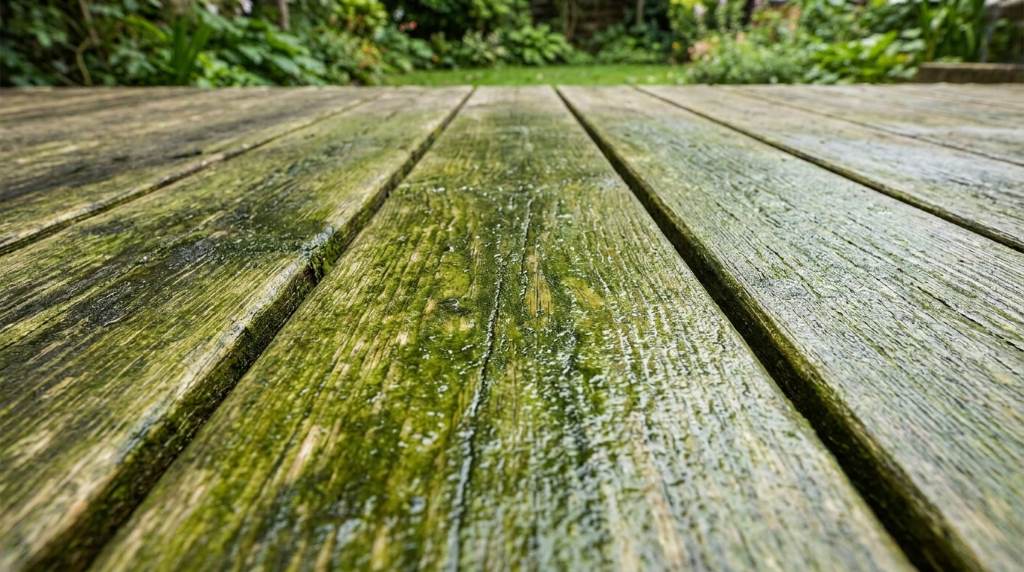
Signs Your Wood Decking Needs Algae Cleaning
Visible green or black patches on the wood surface indicate algae presence. Slippery decking, especially after rain, is a clear sign of algae buildup. Musty odors often accompany algae growth on wood.
Discoloration or dark streaks on the deck may also signal algae infestation. These signs often appear first in shaded corners or areas with poor airflow. Addressing them early prevents permanent staining and wood deterioration.
Tools and Materials You Will Need
Gather a stiff-bristle brush or broom for scrubbing the deck surface. A garden hose with a spray nozzle helps rinse away debris and cleaning solutions. White vinegar or oxygen bleach serves as effective, wood-safe cleaners.
For tougher algae, consider a pressure washer set to a low PSI to avoid damaging wood. Rubber gloves and safety goggles protect your hands and eyes from cleaning agents. A plastic scraper can help remove stubborn algae patches without scratching the wood.
Step-by-Step Guide to Cleaning Green Algae Off Wood Decking
Prepare the Deck for Cleaning
Remove all furniture, planters, and decorations from the deck surface. Sweep away loose dirt, leaves, and debris using a broom. This step ensures the cleaning solution contacts the algae directly.
Wet the deck thoroughly with water to loosen surface grime. This also helps the cleaning solution penetrate deeper into the wood. Avoid cleaning in direct sunlight to prevent rapid drying of the solution.
Apply a Cleaning Solution
Mix equal parts white vinegar and water in a spray bottle for a natural cleaner. For heavier infestations, use oxygen bleach following the manufacturer’s instructions. Apply the solution evenly across the deck using a sprayer or brush.
Let the solution sit for 10 to 15 minutes to break down the algae. Avoid using chlorine bleach, as it can weaken wood fibers and cause discoloration. Brighten dark surfaces with gentle cleaners to maintain wood integrity.
Scrub the Deck Surface
Use a stiff-bristle brush to scrub the deck in the direction of the wood grain. Focus on areas with visible algae, applying moderate pressure. For large decks, work in sections to ensure thorough cleaning.
Rinse each section with clean water after scrubbing to remove residue. This prevents the cleaning solution from drying on the wood and causing streaks. Repeat the process for stubborn patches until the algae is fully removed.
Rinse and Dry the Deck
Use a garden hose to rinse the entire deck, removing all cleaning solution and debris. For best results, use a nozzle with a wide spray pattern to cover large areas quickly. Ensure all soap residue is washed away to prevent buildup.
Allow the deck to air dry completely before replacing furniture or walking on it. Drying in sunlight helps kill remaining algae spores and prevents regrowth. This step also prepares the wood for any protective treatments you plan to apply.
Preventing Algae Regrowth on Wood Decking
Regularly sweep the deck to remove dirt, leaves, and organic matter that feed algae. Trim nearby trees or shrubs to increase sunlight exposure and improve airflow. Both measures reduce moisture retention on the wood surface.
Apply a wood sealant or stain to create a protective barrier against moisture. Reapply the sealant every 1 to 2 years, depending on wear and climate conditions. Style outdoor spaces with weather-resistant furniture to minimize maintenance needs.
Consider installing a deck fan or improving drainage around the area to reduce humidity. These steps make your deck less hospitable to algae and other contaminants. Consistent upkeep extends the life of your wood decking significantly.
Natural vs. Chemical Algae Cleaners: Which Is Better?
Natural cleaners like vinegar or baking soda are eco-friendly and safe for most wood types. They effectively remove light algae without harming plants or pets. However, they may require more effort for heavy infestations.
Chemical cleaners, such as oxygen bleach, work faster on tough algae but need careful handling. Always follow the manufacturer’s instructions to avoid damaging the wood or surrounding vegetation. Test any cleaner on a small area first to check for adverse reactions.
Common Mistakes to Avoid When Cleaning Algae Off Decking
Using a pressure washer on high settings can etch or splinter wood fibers. Always keep the PSI below 1500 and maintain a safe distance from the surface. Avoid harsh chemicals like chlorine bleach, which can weaken wood over time.
Skipping the drying step can lead to moisture being trapped under furniture or rugs. This creates ideal conditions for algae to return quickly. Never mix cleaning agents, as some combinations produce toxic fumes or damage wood.
When to Call a Professional for Deck Cleaning
If algae covers more than 50% of your deck, professional cleaning may be the best option. Experts have access to specialized equipment and cleaners that restore decks efficiently. They can also identify underlying issues like wood rot or structural damage.
For decks with intricate designs or hard-to-reach areas, professionals ensure thorough cleaning without causing damage. Hiring a service saves time and guarantees results, especially for large or heavily infested decks.
Conclusion
Cleaning green algae off wood decking is a manageable task with the right approach. Regular maintenance prevents buildup and keeps your deck safe and attractive. Start with natural cleaners and escalate to stronger solutions only if necessary.
Preventive measures like sealing the wood and improving airflow reduce future algae growth. By staying proactive, you can enjoy a beautiful, algae-free deck for years to come. Take action today to protect your investment and enhance your outdoor living space.
FAQs
How often should I clean my wood deck to prevent algae?
Clean your deck at least twice a year, or more often if it is in a shaded, humid area.
Can I use a pressure washer to clean algae off my deck?
Yes, but use a low PSI setting and keep the nozzle at least 12 inches from the wood surface.
Is vinegar safe for all types of wood decking?
Vinegar is safe for most wood types but test it on a small area first to check for discoloration.
What is the best way to dry a deck after cleaning?
Allow the deck to air dry in sunlight, which helps kill remaining algae spores.
How can I tell if algae has damaged my deck?
Look for discoloration, soft spots, or splintering, which may indicate wood damage.