


Imagine stepping onto your rooftop and seeing lush green vines climbing your fence, producing natural sponges you can use every day. Growing loofah sponges at home is not only practical but also sustainable. According to the United States Department of Agriculture, urban gardening has increased by over 30 percent in the past decade as more people turn unused spaces into productive gardens. At the same time, the Environmental Protection Agency highlights that compostable plant products like loofah help reduce household waste. This guide shows you exactly how to grow loofah sponges on a rooftop chain link fence, even if you are starting from scratch.
Why Grow Loofah on a Rooftop Fence
Growing loofah on a chain link fence is a smart use of vertical space. Rooftops often have limited ground area, so vertical gardening solves that problem efficiently. In addition, a fence acts as a natural trellis, which loofah vines need to grow strong and straight.
This setup also improves airflow around the plant. Better airflow reduces the risk of fungal diseases, which often affect dense vines. Moreover, sunlight exposure is usually better on rooftops, which helps loofah thrive since it loves warm and bright conditions.
You also get privacy benefits. As the vines grow thicker, they create a natural green wall. That makes your rooftop more relaxing while still being productive.
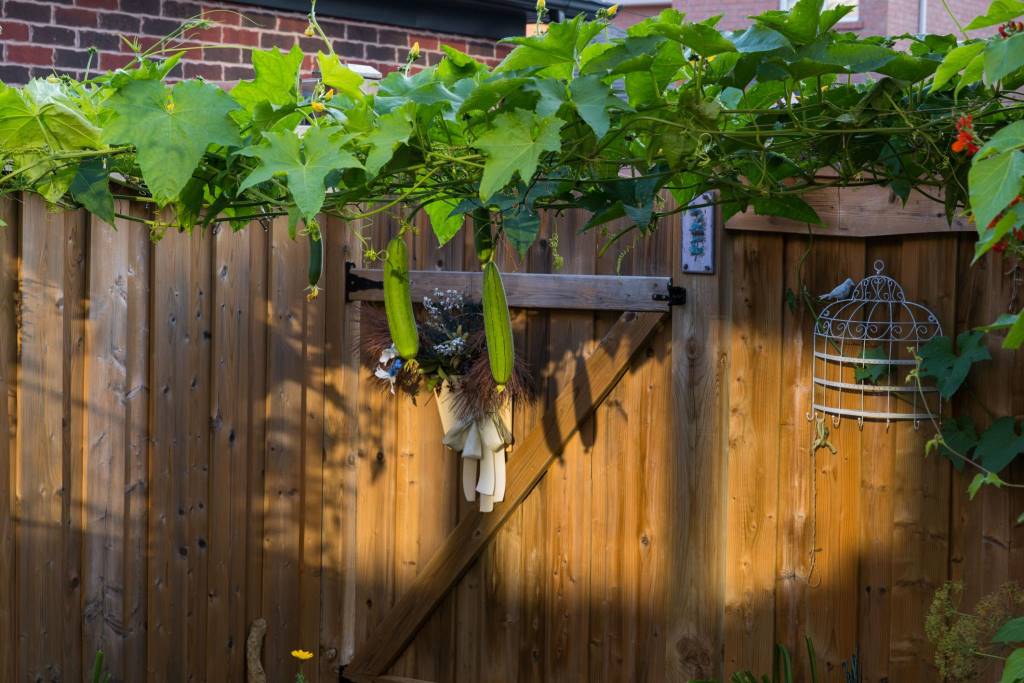
What Is Loofah and Why It Is Worth Growing
Loofah, sometimes spelled luffa, is a type of gourd plant. When fully matured and dried, the inside becomes a fibrous sponge. Many people use it for bathing, cleaning, and even eco friendly dishwashing.
Unlike synthetic sponges, loofah is biodegradable. That means it breaks down naturally and does not harm the environment. Furthermore, growing your own ensures you avoid chemical treatments often used in commercial products.
Loofah plants also produce edible young fruits. While most people grow them for sponges, you can harvest early fruits and cook them like zucchini. This adds extra value to your rooftop garden.
Best Conditions for Growing Loofah on a Rooftop
Sunlight Requirements
Loofah needs full sunlight for at least six to eight hours daily. Rooftops are ideal because they usually receive uninterrupted sunlight. However, if your building casts shadows, position your plants where they get maximum light throughout the day.
Strong sunlight helps the plant produce larger gourds. It also speeds up the drying process later in the season.
Temperature Needs
Loofah thrives in warm climates. Ideally, temperatures should stay between 70°F and 90°F. In most parts of the USA, this means planting after the last frost in spring.
If you live in a cooler region, start seeds indoors about four weeks before the last frost. Then transplant them once temperatures stabilize.
Wind Considerations
Rooftops often experience strong winds. Therefore, secure your containers and ensure your fence is stable. Use ties to anchor the vines gently as they grow.
Wind can dry out soil quickly, so you will need to monitor moisture levels more frequently.
Choosing the Right Containers and Soil
Growing loofah on a rooftop means you will likely use containers instead of ground soil. Choose large containers with a depth of at least 12 to 18 inches. Bigger containers support better root development and healthier plants.
Use high quality potting mix enriched with compost. This provides the nutrients loofah needs for rapid growth. Good drainage is essential because waterlogged soil can damage roots.
You can improve soil quality by adding:
- Organic compost
- Coconut coir for moisture retention
- Perlite for drainage
Healthy soil leads to stronger vines and higher yield.
How to Plant Loofah Seeds
Step by Step Process
- Soak seeds in warm water for 24 hours to improve germination
- Plant seeds about one inch deep in soil
- Water lightly but consistently
- Keep soil warm until seedlings emerge
Germination usually takes 7 to 14 days. Once seedlings appear, ensure they receive plenty of sunlight.
Spacing Tips
Even in containers, spacing matters. Plant only one or two seedlings per container to avoid overcrowding. This ensures proper airflow and reduces disease risk.
Training Loofah Vines on a Chain Link Fence
One of the biggest advantages of using a chain link fence is its natural support structure. Loofah vines are climbers, so they will naturally latch onto the fence as they grow.
However, guiding them early makes a big difference. When the vines are young, gently direct them toward the fence. Use soft garden ties if needed.
As the plant grows, continue to:
- Spread vines evenly across the fence
- Prevent overcrowding
- Remove weak or damaged stems
This method improves sunlight exposure and supports larger fruit development.
Related:
Roof Replacement Scheduling Around Weather Patterns
Understanding Thinset: Is it Waterproof or Water-Resistant?
Watering and Fertilizing for Maximum Growth
Loofah plants need consistent watering, especially in rooftop conditions where soil dries faster. Water deeply but avoid overwatering. The goal is moist soil, not soggy soil.
A good schedule is watering two to three times per week, depending on weather. During hot summer days, you may need to water daily.
Fertilizing is equally important. Use a balanced organic fertilizer every two weeks. Once flowering begins, switch to a fertilizer higher in phosphorus to support fruit development.
Consistent care leads to healthier vines and more sponges.
Pollination and Flowering
Loofah plants produce both male and female flowers. Bees and other pollinators usually handle pollination naturally. However, rooftop gardens may have fewer pollinators.
In that case, you can hand pollinate. Use a small brush to transfer pollen from male flowers to female flowers. Female flowers have a small swelling at the base, which becomes the fruit.
This simple step can significantly increase your harvest.
Harvesting and Turning Loofah into Sponges
When to Harvest
Wait until the loofah gourds turn yellow or brown and feel lightweight. This means they are fully matured and ready to dry.
If frost is approaching, harvest early and allow them to dry indoors.
How to Process
- Peel off the outer skin
- Shake out seeds
- Wash the fiber thoroughly
- Let it dry completely
You now have a natural sponge ready to use.
Common Problems and How to Fix Them
Poor Growth
This often results from lack of sunlight or nutrients. Ensure your plant gets enough light and use quality fertilizer regularly.
Yellow Leaves
Yellowing can indicate overwatering or nutrient deficiency. Adjust watering and check soil health.
No Fruits
If flowers appear but no fruits form, pollination may be the issue. Hand pollination can solve this quickly.
Benefits of Growing Loofah on Your Rooftop
Growing loofah offers more than just sponges. It turns unused space into a productive garden. It also reduces your reliance on plastic products.
Additionally, it promotes a healthier lifestyle. Gardening itself reduces stress and improves mental well being. Plus, harvesting your own sponges gives a sense of accomplishment that store bought items cannot match.
Conclusion
Growing loofah sponges on a rooftop chain link fence is simple, practical, and rewarding. You use vertical space efficiently while producing eco friendly products at home. With proper sunlight, watering, and support, your vines can thrive even in an urban setting.
Start small, follow the steps in this guide, and stay consistent with care. Soon, you will harvest your own natural sponges right from your rooftop. Take action today and turn your unused space into a productive green oasis.
FAQs
How long does it take to grow loofah sponges
Loofah plants typically take 150 to 200 days from planting to harvest. Warm weather and proper care can speed up the process.
Can loofah grow in containers on a rooftop
Yes, loofah grows well in large containers with good drainage. Ensure enough space for roots and strong support for climbing.
Do I need a trellis if I have a chain link fence
No, a chain link fence works as a natural trellis. You only need to guide the vines initially.
How many loofah sponges does one plant produce
One healthy plant can produce 5 to 20 loofah gourds depending on growing conditions.
Is loofah safe for daily use
Yes, natural loofah is safe for daily use when cleaned and dried properly after each use.