


A clean humidifier improves indoor air quality and helps your family breathe more comfortably throughout every season. According to the United States Environmental Protection Agency, indoor air can contain higher pollutant levels than outdoor air. Additionally, many manufacturers recommend cleaning humidifiers every few days because bacteria and mold can grow quickly inside water reservoirs. This guide explains how to clean a humidifier safely, prevent mineral buildup, and maintain reliable performance using simple household supplies. You will also learn helpful maintenance habits that keep your humidifier working efficiently in homes across the USA.
Why Cleaning Your Humidifier Matters
A humidifier releases moisture into your indoor air, but it can also spread contaminants when neglected. Therefore, regular cleaning protects your family’s health while extending your appliance’s lifespan.
Mineral deposits, bacteria, mold, and biofilm often develop inside water tanks after repeated use. Likewise, dirty components reduce efficiency and create unpleasant odors throughout your living space. You can also improve overall household cleanliness by following guides like how to hang picture for maintaining beautiful interior spaces.
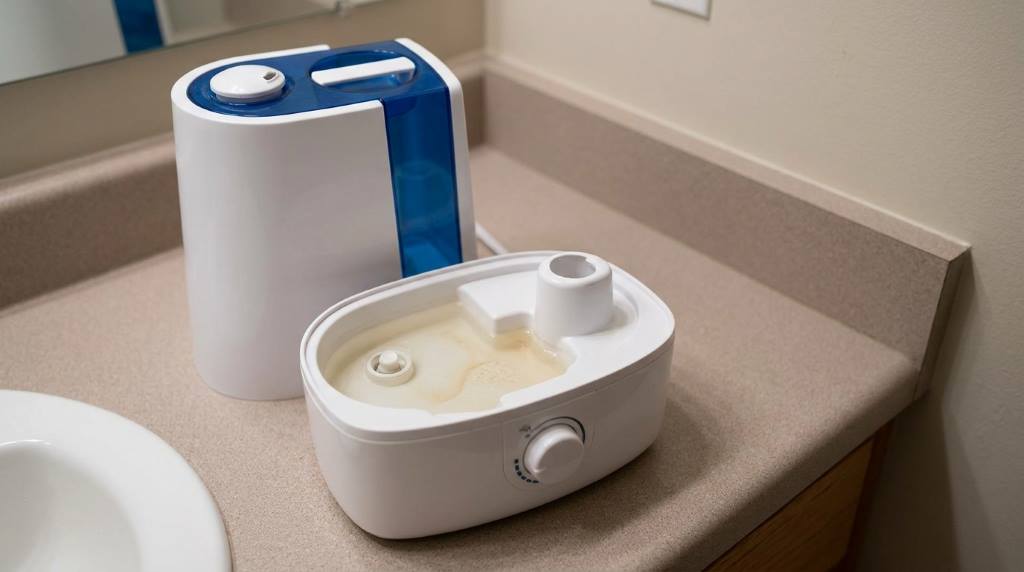
Common Problems Caused by a Dirty Humidifier
- Musty or unpleasant odors
- White mineral dust around furniture
- Reduced mist output
- Bacterial or mold growth
- Shortened appliance lifespan
- Poor indoor air quality
Supplies You Need Before Cleaning
Gathering everything first makes the cleaning process faster and more organized. As a result, you can finish the job without unnecessary interruptions.
- White vinegar
- Clean water
- Soft microfiber cloth
- Small soft brush or old toothbrush
- Cotton swabs
- Hydrogen peroxide or three percent hydrogen peroxide solution
- Measuring cup
- Protective gloves if preferred
How to Clean a Humidifier Step by Step
Cleaning your humidifier correctly removes harmful buildup without damaging delicate components. Meanwhile, following the manufacturer’s instructions helps protect warranty coverage and long term performance.
Keeping moisture related fixtures clean throughout your house also improves hygiene. For example, many homeowners also maintain bathrooms using guides about caulk bathroom sink seamlessly to reduce mold growth.
Step 1: Unplug the Humidifier
Always disconnect the power before handling any electrical appliance. This simple habit prevents accidental electrical hazards during cleaning.
Step 2: Empty the Water Tank
Discard any remaining water immediately after turning the unit off. Standing water encourages bacteria and mold to multiply rapidly.
Step 3: Disassemble Removable Parts
Remove the water tank, tray, filter if washable, and other detachable components. Place them carefully on a clean towel before cleaning.
Step 4: Remove Mineral Deposits
Fill the tank with equal parts white vinegar and warm water. Allow the solution to sit for about twenty minutes before gently scrubbing stubborn deposits.
Step 5: Clean Small Areas
Use a toothbrush or cotton swab to clean tight corners and crevices. Consequently, hidden buildup disappears more effectively without scratching surfaces.
Step 6: Disinfect the Humidifier
Add hydrogen peroxide according to your owner’s manual recommendations if disinfection is appropriate. Let the solution remain briefly before emptying the tank completely.
Step 7: Rinse Thoroughly
Rinse every component several times with clean water until no cleaning residue remains. Any leftover vinegar smell should disappear after thorough rinsing.
Step 8: Dry Every Part
Allow every component to air dry completely before reassembling the humidifier. Dry parts discourage mold growth between cleaning sessions.
How Often Should You Clean a Humidifier?
Cleaning frequency depends on daily usage, water quality, and room conditions. However, frequent maintenance always delivers healthier indoor air.
Outdoor surfaces also benefit from consistent cleaning routines because moisture supports algae growth. Many homeowners use guides about clean green algae while maintaining exterior living spaces.
- Empty remaining water every day.
- Lightly rinse the tank every day.
- Deep clean every three days during regular use.
- Disinfect once every week.
- Replace disposable filters according to manufacturer recommendations.
Best Cleaning Solutions for Humidifiers
Different cleaning products serve different purposes during maintenance. Therefore, selecting the right solution protects your appliance while improving cleaning results.
White Vinegar
White vinegar dissolves mineral deposits naturally without harsh chemicals. It remains one of the safest cleaning choices for most humidifiers.
Hydrogen Peroxide
Hydrogen peroxide helps disinfect surfaces by reducing bacteria and mold. Always rinse thoroughly before using the humidifier again.
Manufacturer Approved Cleaners
Some manufacturers sell specialized cleaning products designed for specific humidifier models. These cleaners may offer additional protection for sensitive materials.
Cleaning Different Types of Humidifiers
Cool Mist Humidifiers
Cool mist models often collect more mineral deposits because they use unheated water. Therefore, regular descaling remains especially important.
Warm Mist Humidifiers
Warm mist units boil water before releasing moisture into the air. Even so, mineral buildup still develops inside heating chambers over time.
Ultrasonic Humidifiers
Ultrasonic models create fine mist through vibration instead of heating. Consequently, using distilled water reduces white dust around your home.
Helpful Maintenance Tips
Small maintenance habits reduce future cleaning effort while improving humidifier performance. Additionally, these simple routines extend the appliance’s service life.
- Use distilled water whenever possible.
- Never leave standing water overnight.
- Store the unit completely dry.
- Replace worn filters promptly.
- Clean before seasonal storage.
- Inspect seals regularly for damage.
Mistakes to Avoid While Cleaning
Some cleaning mistakes shorten the life of your humidifier unnecessarily. Fortunately, avoiding these errors keeps your appliance working efficiently.
- Using abrasive scrubbers
- Mixing household chemicals
- Skipping regular maintenance
- Reassembling damp components
- Ignoring manufacturer instructions
- Leaving dirty water inside the tank
Conclusion
Learning how to clean a humidifier correctly keeps your indoor air healthier while extending your appliance’s lifespan. Regular maintenance prevents bacteria, mold, and mineral buildup from affecting daily performance. Furthermore, consistent cleaning requires only a few inexpensive supplies and a small amount of time. Start following these simple steps today to enjoy fresher air and better humidifier performance throughout your home in the USA.
Frequently Asked Questions
Can I clean a humidifier with only vinegar?
Yes, white vinegar effectively removes mineral deposits and light buildup from most humidifiers.
How long should vinegar stay inside the humidifier?
Allow vinegar to sit for about twenty minutes before gently scrubbing the surfaces.
Is bleach safe for cleaning a humidifier?
Only use bleach if your manufacturer specifically recommends it in the owner’s manual.
Should I use distilled water in my humidifier?
Yes, distilled water reduces mineral deposits and helps minimize white dust.
Can a dirty humidifier make people sick?
Yes, neglected humidifiers may spread bacteria, mold, and other airborne contaminants.