


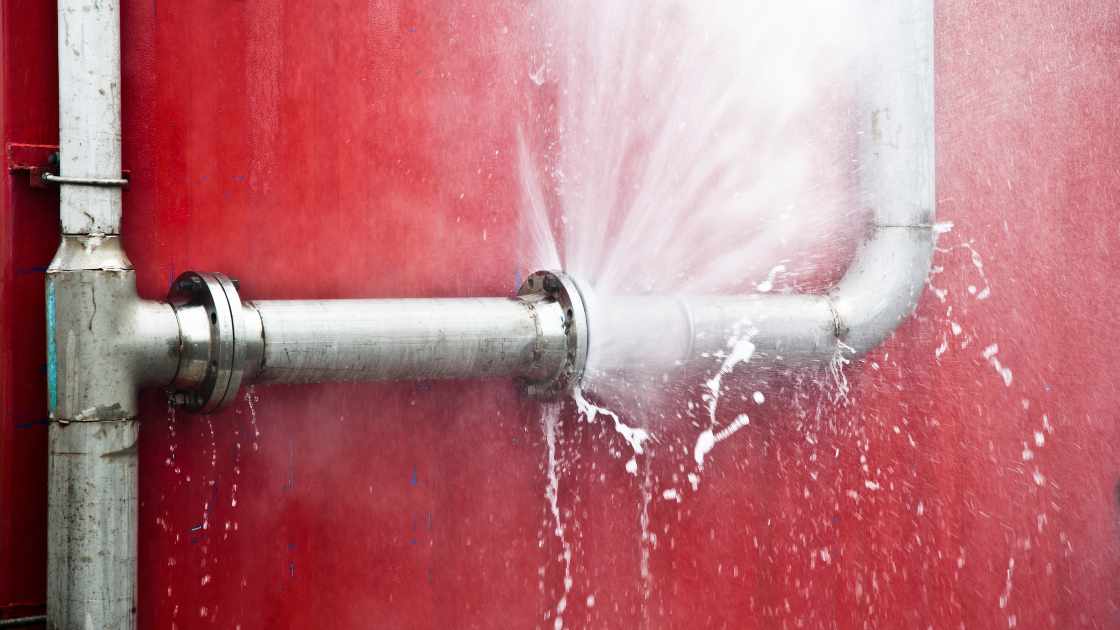
As winter approaches, homeowners often face the chilling threat of frozen pipes. When temperatures drop, the water inside pipes can freeze, leading to blockages, cracks, and, in the worst cases, catastrophic leaks. Fortunately, there are several effective strategies to prevent this issue and ensure your plumbing system remains intact throughout the cold months. Here’s a comprehensive guide to help you avoid frozen pipes this winter.
A Comprehensive Guide
Understanding the Risk
Pipes most susceptible to freezing are those located in unheated areas of your home, such as basements, attics, garages, and exterior walls. When temperatures plummet below 32°F (0°C), the water in these pipes can freeze, expand, and cause the pipes to burst, leading to expensive repairs and potential water damage.
Preventative Measures
Insulate Pipes
One of the most effective ways to prevent frozen pipes is to insulate them. Use foam pipe insulation sleeves or wrap insulation tape around pipes in unheated areas. Pay special attention to areas where pipes run through exterior walls, as these are particularly vulnerable to cold drafts.
Seal Cracks and Openings
Inspect your home for any cracks, gaps, or openings where cold air could enter. Seal these with caulk or foam insulation, especially around windows, doors, and sill plates. This not only helps keep pipes warm but also improves overall energy efficiency.
Maintain Heat in Your Home
Keep your home heated to a minimum temperature, even when you’re away. A thermostat set to at least 55°F (13°C) is usually sufficient. If you have specific rooms or areas where pipes are located, consider keeping the doors open to circulate warm air.
Let Faucets Drip
During extremely cold spells, allowing a small trickle of water to run from faucets connected to vulnerable pipes can prevent freezing. The constant flow of water, even if minimal, can help alleviate pressure in the system and reduce the chance of pipes freezing.
Open Cabinet Doors
For kitchen and bathroom sinks that are located against exterior walls, open the cabinet doors to allow warm air to circulate around the plumbing. This is particularly important during very cold nights.
Keep Garage Doors Closed
If you have water supply lines in your garage, keep the garage door closed as much as possible. This helps to maintain a warmer environment for the pipes.
Drain Outdoor Faucets
Before the cold sets in, drain and disconnect any hoses and shut off the valves to outdoor faucets. Ensure that any water remaining in the faucet is emptied to prevent freezing.
Install Heating Cables
For pipes in particularly vulnerable locations, consider installing electrical heating cables. These cables provide a steady source of heat that can prevent pipes from freezing during the coldest nights.
Monitor Temperature
Keep an eye on the weather forecasts and prepare your home accordingly during extreme cold spells. If temperatures are expected to drop significantly, take extra precautions to protect your plumbing.
Know the Signs
Familiarize yourself with the signs of potential pipe freezing, such as reduced water flow or strange noises in your plumbing. If you suspect a pipe is frozen, take action immediately to thaw it safely, using a hair dryer or warm towels, rather than direct heat sources like a blowtorch.
FAQs
What are the main causes of frozen pipes?
Frozen pipes typically occur when the temperature drops below freezing, especially in unheated areas of your home like basements, attics, or exterior walls. Poor insulation and drafts can exacerbate the issue, allowing cold air to chill the pipes.
What preventative measures can I take?
To prevent frozen pipes, you can insulate exposed pipes, seal gaps and cracks in your home, maintain a consistent indoor temperature, and let faucets drip during extreme cold. Opening cabinet doors under sinks and keeping garage doors closed can also help keep pipes warm.
How can I tell if my pipes are frozen?
Signs of frozen pipes include reduced water flow, strange noises when you turn on the faucet, or visible frost on pipes. If you suspect a freeze, take action immediately to thaw the pipes gently using warm towels or a hair dryer—never use open flames.
Conclusion
Preventing frozen pipes requires a combination of vigilance, preparation, and proactive measures. By taking these steps, you can safeguard your home against the damaging effects of winter’s chill. With a little effort and foresight, you can enjoy a worry-free winter, knowing that your plumbing system is protected from the freeze.