


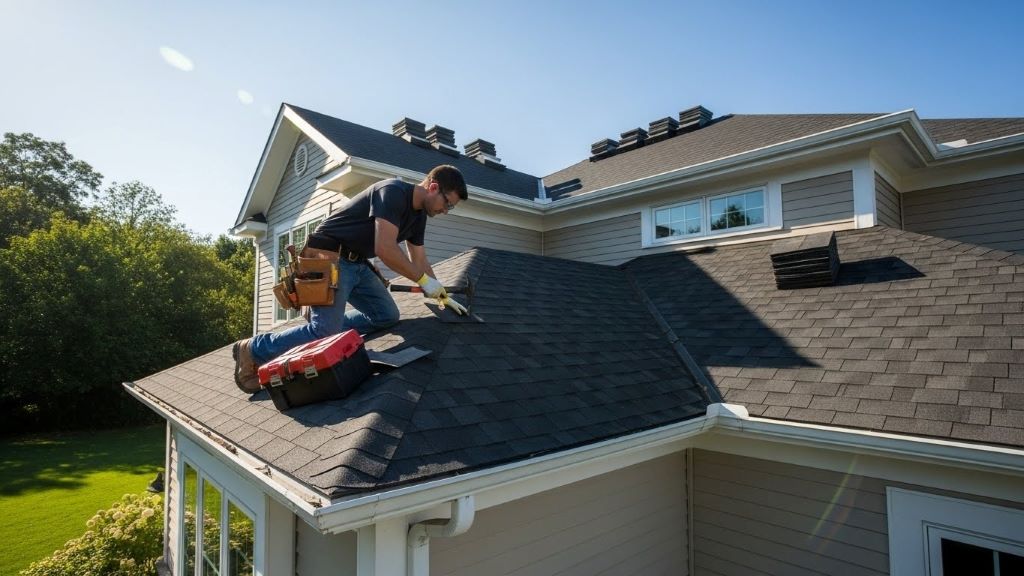
Planning a roof replacement requires careful timing. Weather conditions play a critical role in determining when contractors can safely and effectively install your new roof. Understanding seasonal patterns and local climate factors helps homeowners avoid delays, reduce costs, and ensure quality workmanship.
Why Weather Matters for Roof Replacement
Roofing materials need specific conditions to properly adhere and cure. Temperature, humidity, and precipitation all affect how shingles, underlayment, and sealants perform during installation. Additionally, extreme weather creates safety hazards for roofing crews working at heights.
Most roofing manufacturers specify ideal temperature ranges for their products. Installing materials outside these parameters can void warranties and compromise the roof’s lifespan. Therefore, scheduling your project during favorable weather windows protects your investment.
Best Seasons for Roof Replacement
Spring: A Popular Choice
Spring offers moderate temperatures and relatively dry conditions in many regions. Contractors often experience high demand during this season, so homeowners should book projects several weeks in advance. However, spring can bring unpredictable rain showers that may cause delays.
The warming temperatures allow roofing materials to seal properly. Shingles become more pliable as temperatures rise, making them easier to install without cracking. Moreover, completing your roof replacement in spring prepares your home for summer storms.
Summer: Peak Roofing Season
Summer provides the longest daylight hours and most consistent weather patterns. These conditions allow roofing crews to work efficiently and complete projects faster. Nevertheless, extreme heat can present challenges for both materials and workers.
High temperatures soften asphalt shingles, which can lead to damage during installation if workers aren’t careful. Additionally, roofing crews face heat exhaustion risks during prolonged exposure to hot surfaces. Many contractors start work early in the morning to avoid the hottest part of the day.
Fall: Ideal Conditions
Many roofing professionals consider fall the optimal season for roof replacement. Temperatures typically remain mild, and humidity levels drop in most regions. Furthermore, contractors often have more availability as the summer rush subsides.
Fall weather provides stable conditions that facilitate proper installation. Materials cure effectively in moderate temperatures, and the lower demand may result in better pricing. Completing your roof before winter also protects your home from harsh cold-weather conditions.
Winter: Challenging but Possible
Winter presents the most difficult conditions for roof replacement. Cold temperatures make shingles brittle and difficult to seal properly. Snow, ice, and freezing rain create safety hazards and can halt work completely.
However, emergency repairs sometimes cannot wait until spring. Contractors with experience in cold-weather roofing can complete installations using special techniques and materials designed for low temperatures. These projects typically cost more due to the additional labor and precautions required.
Regional Weather Considerations
Coastal Areas
Coastal regions face unique challenges including salt air, high winds, and hurricane threats. Homeowners in these areas should schedule roof replacements during the calmest months, typically late fall or early spring. According to NOAA, Atlantic hurricane season runs from June through November, making these months particularly risky for roofing projects.
Salt exposure requires specific roofing materials and installation techniques. Contractors familiar with coastal conditions understand how to protect your roof from accelerated weathering. Additionally, many coastal building codes mandate hurricane-resistant installation methods.
Mountain and High-Altitude Regions
Mountain areas experience shorter construction seasons due to prolonged winter weather. Snow can linger well into spring at higher elevations, limiting the window for roof replacement. Homeowners should plan projects for mid-summer through early fall when conditions remain most stable.
High winds common in mountainous terrain require special attention during installation. Roofing materials need proper fastening to withstand these forces. Moreover, rapid weather changes can occur with little warning, so contractors must remain flexible with scheduling.
Desert Climates
Desert regions offer year-round roofing opportunities but present extreme temperature challenges. Summer heat can exceed safe working conditions, while winter nights may dip below freezing. Spring and fall provide the most comfortable working environment.
The intense sun exposure in desert climates demands UV-resistant roofing materials. Proper ventilation also becomes crucial to manage heat buildup in attics. Experienced desert contractors understand these unique requirements and can recommend appropriate solutions.
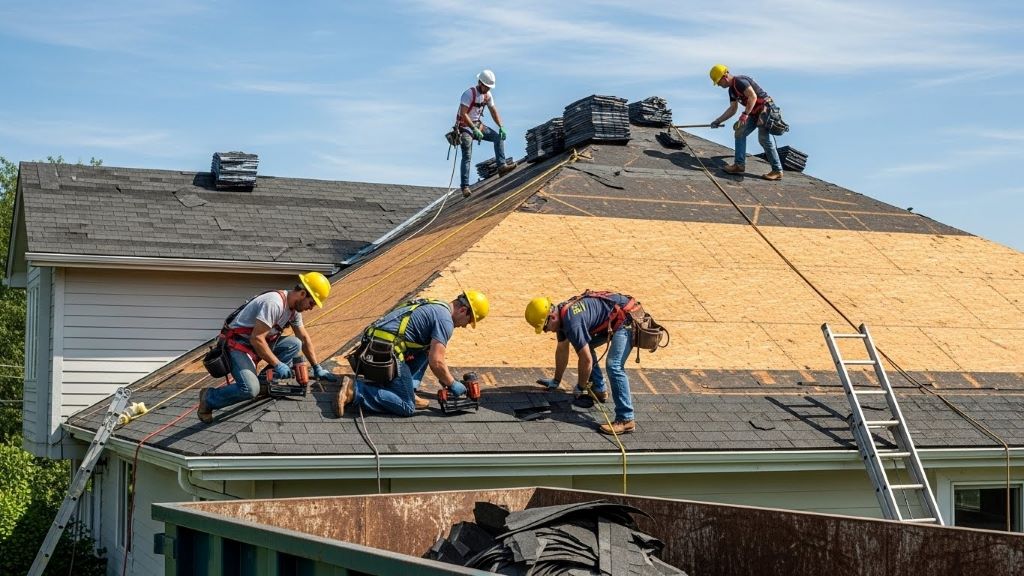
How to Monitor Weather for Your Roofing Project
Check Extended Forecasts
Contractors typically monitor weather forecasts for at least two weeks before starting a project. Homeowners should stay informed about upcoming conditions as well. Modern weather prediction tools provide increasingly accurate long-range forecasts that help with planning.
Several weather services offer construction-specific forecasts that focus on wind speed, precipitation, and temperature ranges. These specialized reports help contractors determine optimal work windows. However, weather remains unpredictable, and flexibility becomes essential.
Understand Local Weather Patterns
Every region has characteristic weather patterns that locals understand well. Talk to your contractor about typical conditions during different months. Their experience with local weather provides valuable insight that general forecasts cannot match.
For example, some areas experience predictable afternoon thunderstorms during summer months. Contractors in these regions often plan work schedules around these patterns, completing tasks before storms arrive. This local knowledge helps prevent delays and ensures worker safety.
Plan for Contingencies
Even with careful planning, unexpected weather can disrupt roofing projects. Discuss contingency plans with your contractor before work begins. Understanding how they handle weather delays prevents confusion and frustration later.
Most reputable contractors include weather delay clauses in their contracts. These provisions outline responsibilities when weather forces work stoppages. Clear communication about rescheduling procedures keeps everyone aligned throughout the project.
Working with Your Contractor
Communication Is Key
Maintain open dialogue with your roofing contractor about weather concerns. They should provide regular updates about forecast changes and potential impacts on the schedule. Responsive contractors prioritize keeping homeowners informed throughout the process.
Ask questions about how specific weather conditions affect different phases of installation. Understanding these details helps you appreciate why certain delays occur. Moreover, this knowledge allows you to make informed decisions about proceeding during marginal conditions.
Flexibility Benefits Everyone
Rigid scheduling rarely works well for roofing projects. Weather creates variables that no one can control completely. Homeowners who remain flexible with timing often experience smoother projects and better results.
Consider building buffer time into your schedule when planning a roof replacement. This approach reduces stress when weather causes inevitable delays. Additionally, avoiding peak season scheduling may provide more flexibility for weather-related adjustments.
Protecting Your Home During Installation
Temporary Weatherproofing
Roof replacement exposes your home to the elements during installation. Contractors use tarps and temporary coverings to protect against unexpected rain. However, severe weather can still cause interior damage if it arrives during critical phases.
Discuss weatherproofing procedures with your contractor before work begins. Understanding their protocols for protecting your home provides peace of mind. Many contractors monitor weather closely and avoid removing large roof sections when rain threatens.
Emergency Preparations
Keep important documents and valuables away from top-floor areas during roof replacement. Even with precautions, leaks can occasionally occur during installation. Taking preventive measures protects your possessions from potential water damage.
Consider moving furniture away from exterior walls in rooms below the work area. This creates space for contractors to work and protects your belongings from falling debris. Simple preparations minimize disruption and potential damage during the project.
Conclusion
Weather patterns significantly influence roof replacement timing and success. Understanding seasonal variations, regional climate factors, and local weather characteristics helps homeowners make informed scheduling decisions. Spring and fall generally offer the most favorable conditions, though regional differences may favor other seasons. Working closely with an experienced contractor who monitors forecasts and understands local patterns ensures your project proceeds smoothly despite weather uncertainties. Proper planning, clear communication, and scheduling flexibility ultimately lead to successful roof replacement outcomes regardless of the season chosen.
Frequently Asked Questions
How long does a typical roof replacement take?
Most residential roof replacements take between one to three days depending on roof size, complexity, and weather conditions. Larger homes or those requiring extensive repairs may take up to a week.
Can roofers work in light rain?
Generally, contractors cannot install roofing materials during any precipitation. Even light rain compromises material adhesion and creates safety hazards. Most crews will pause work until conditions dry completely.
What happens if it rains during my roof replacement?
Reputable contractors monitor forecasts closely and use tarps to protect exposed areas if unexpected rain arrives. They typically avoid removing large roof sections when rain threatens within 24 hours.
How far in advance should I schedule my roof replacement?
Book your project at least four to six weeks in advance during peak seasons like spring and summer. Fall and winter may offer shorter lead times due to lower demand.
Does temperature affect different roofing materials differently?
Yes, asphalt shingles require temperatures above 40-45 degrees Fahrenheit for proper sealing. Metal roofing tolerates a wider temperature range, while tile and slate have specific installation requirements based on material brittleness in cold weather.
Related Topics:
Top 5 Roofing Materials for Durability and Longevity
How to Install Corrugated Metal Roofing: A Step-by-Step Guide