


Fresh lettuce at home is easier than most people think. Even if you have no garden, you can still grow crisp, flavorful greens right on a balcony or kitchen windowsill. According to the United States Department of Agriculture, home gardening has increased by over 25 percent in recent years as people look for healthier food options. Additionally, studies from National Gardening Association show that container gardening is one of the fastest growing trends in urban areas. Growing lettuce in containers offers convenience, control, and a steady supply of fresh greens. This guide walks you through every step so you can grow healthy lettuce successfully.
Why Growing Lettuce in Containers Works So Well
Container gardening gives you full control over your growing environment. That makes lettuce one of the easiest crops for beginners and experienced gardeners alike. Unlike many vegetables, lettuce grows quickly and does not require deep soil or large spaces. You can move containers to adjust sunlight, protect plants from harsh weather, and reduce pest problems.
Additionally, lettuce has shallow roots, which means it adapts perfectly to pots and small planters. You also avoid common garden issues like poor soil quality or weeds. Most importantly, container growing allows year round production in many parts of the USA, especially if you use indoor spaces during colder months.
Best Types of Lettuce for Containers
Choosing the right variety makes a big difference in your success. Some lettuce types grow better in confined spaces and produce faster results.
Loose Leaf Lettuce
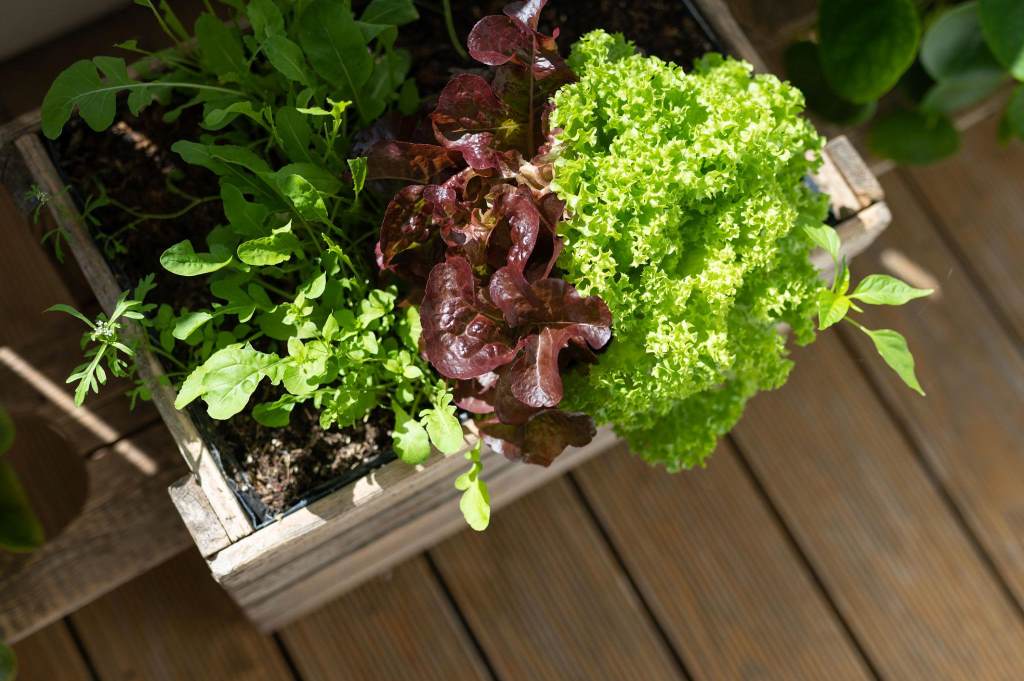
Loose leaf varieties are ideal for containers because they grow quickly and allow repeated harvesting. You can pick outer leaves while the plant continues to grow. Popular choices include:
- Black Seeded Simpson
- Red Sails
- Oakleaf
Romaine Lettuce
Romaine grows upright and fits well in medium sized pots. It takes slightly longer to mature but offers crisp texture and rich flavor.
Butterhead Lettuce
Butterhead varieties like Bibb and Boston lettuce produce soft, tender leaves. They require consistent moisture but thrive in containers with proper care.
Iceberg Lettuce
Although possible, iceberg lettuce is less suitable for containers due to its large head formation. It needs more space and time compared to other types.
Choosing the Right Container
Selecting the right container is essential for healthy growth. Lettuce does not need deep pots, but it does need enough room for roots to spread.
Ideal Container Size
Use containers that are at least 6 to 8 inches deep. Wider containers work better than deep ones because lettuce roots spread horizontally.
Materials to Consider
Each container material has its advantages:
- Plastic retains moisture and is lightweight
- Clay pots offer better airflow but dry out faster
- Fabric grow bags provide excellent drainage
Drainage Matters
Good drainage prevents root rot and keeps plants healthy. Always choose containers with drainage holes. If water collects at the bottom, roots can suffocate quickly.
Soil and Fertilizer Requirements
Lettuce needs light, well draining soil to grow properly. Heavy garden soil can compact and limit root growth, so avoid using it alone.
Best Soil Mix
Use a high quality potting mix combined with compost. This combination provides nutrients and ensures proper drainage.
Fertilization Tips
Lettuce is a light feeder, but it benefits from consistent nutrients. Follow these tips:
- Use a balanced liquid fertilizer every two weeks
- Add organic compost for natural nutrition
- Avoid over fertilizing to prevent bitter taste
Healthy soil directly affects flavor and leaf quality, so invest time in preparing it well.
How to Plant Lettuce in Containers
Planting lettuce is simple, but proper spacing and depth are important for good results.
Step by Step Process
- Fill your container with potting mix, leaving about one inch at the top
- Sprinkle seeds evenly across the surface
- Cover lightly with soil, about a quarter inch deep
- Water gently to avoid washing seeds away
- Place the container in a spot with good sunlight
Seeds usually germinate within 7 to 10 days. Thin seedlings once they grow a few inches tall to prevent overcrowding.
Sunlight and Temperature Needs
Lettuce prefers cool conditions and moderate sunlight. Too much heat can cause plants to bolt, which means they produce flowers and become bitter.
Light Requirements
Provide 4 to 6 hours of sunlight daily. In hotter regions, partial shade helps maintain leaf quality.
Temperature Range
Ideal temperatures range between 60 and 70 degrees Fahrenheit. If temperatures rise above 80 degrees, consider moving containers to a cooler area.
Watering Lettuce Properly
Consistent watering is one of the most important factors in growing lettuce successfully. Uneven moisture can lead to bitter leaves or poor growth.
Best Watering Practices
- Keep soil evenly moist but not soggy
- Water early in the morning for best absorption
- Check soil daily during warm weather
Containers dry out faster than garden beds, so regular monitoring is essential. A simple finger test helps determine when to water.
Common Problems and How to Fix Them
Even though lettuce is easy to grow, some challenges can arise. Understanding these issues helps you act quickly.
Pests
Common pests include aphids and slugs. You can manage them by:
- Rinsing leaves with water
- Using natural insecticidal soap
- Keeping the area clean
Bolting
Heat stress causes lettuce to bolt. Prevent this by:
- Providing shade during hot afternoons
- Choosing heat resistant varieties
- Planting during cooler seasons
Yellow Leaves
This usually indicates overwatering or poor drainage. Adjust watering habits and check container drainage.
Related:
How to Create a Garden That Blooms All Year Round
How to Keep Floating Plants Away from Filter: A Foolproof Guide for a Clean Aquarium
Harvesting Lettuce for Continuous Growth
Harvesting correctly allows you to enjoy fresh lettuce for weeks. Timing and method both matter.
When to Harvest
Most lettuce varieties are ready within 30 to 45 days. Leaves should be full sized but still tender.
How to Harvest
Use the cut and come again method:
- Trim outer leaves first
- Leave the center intact
- Allow regrowth for multiple harvests
This approach maximizes yield and keeps plants productive longer.
Tips for Growing Lettuce Year Round
With the right setup, you can grow lettuce throughout the year. Seasonal adjustments make a big difference.
Indoor Growing
Place containers near bright windows or use grow lights. Indoor environments help maintain stable temperatures.
Seasonal Planning
- Plant in early spring and fall for best results
- Avoid peak summer heat unless using shade
- Grow indoors during winter months
Succession Planting
Plant new seeds every two weeks to ensure a continuous harvest. This method keeps your supply steady without gaps.
Benefits of Growing Lettuce at Home
Growing your own lettuce offers several advantages beyond convenience.
- Freshness and better taste compared to store bought greens
- Control over chemicals and growing conditions
- Cost savings over time
- Satisfaction of growing your own food
Home grown lettuce also retains more nutrients since you harvest it fresh, which supports a healthier diet.
Conclusion
Growing lettuce in containers is simple, rewarding, and highly practical for modern living. With the right container, soil, and care routine, you can enjoy fresh greens almost year round. Focus on consistent watering, proper sunlight, and regular harvesting to keep plants healthy. Start small, learn as you go, and expand your setup over time. If you want fresh, healthy food at your fingertips, now is the perfect time to start growing lettuce in containers.
FAQs
How long does lettuce take to grow in containers
Most lettuce varieties grow within 30 to 45 days. Baby leaves can be harvested even earlier for quicker results.
Can lettuce grow indoors successfully
Yes, lettuce grows well indoors with sufficient light. A sunny window or grow light setup works effectively.
How often should I water container lettuce
Water daily during warm weather and every two days in cooler conditions. Keep soil consistently moist.
What size container is best for lettuce
A container that is 6 to 8 inches deep works well. Wider containers allow better spacing and growth.
Why does my lettuce taste bitter
Bitterness usually occurs due to heat stress or irregular watering. Keep plants cool and maintain steady moisture levels.