


Basement plumbing problems often develop quietly before causing expensive damage. Studies show that water damage affects millions of homes annually, while plumbing failures remain one of the leading insurance claims. Moreover, understanding local conditions helps homeowners prevent avoidable repairs. Learning about pvc drain pipe pros and cons also supports smarter plumbing decisions because different materials perform differently under changing conditions.
Seattle experiences frequent rainfall, damp soil, and shifting moisture levels throughout the year. Consequently, these conditions place constant pressure on basement plumbing systems. Knowing the common causes helps homeowners detect warning signs early. Preventive maintenance also reduces unexpected repair costs over time.
Heavy Rainfall Creates Constant Plumbing Pressure
Seattle receives significant annual rainfall that saturates surrounding soil for extended periods. Consequently, groundwater pushes against basement walls and underground plumbing lines. Homeowners should also inspect nearby waterproofing areas because caulk bathroom sink seamlessly techniques highlight the importance of sealing moisture entry points around the home.
Excess groundwater increases hydrostatic pressure beneath the foundation every season. Therefore, weakened pipes eventually develop cracks, leaks, or joint failures. Small plumbing defects often become serious problems after repeated heavy storms.
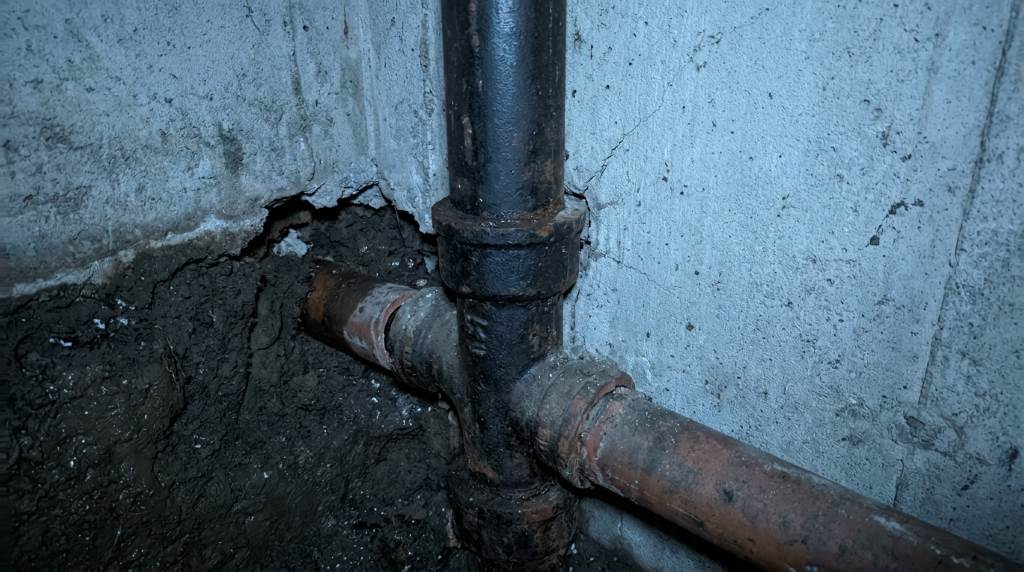
Warning Signs After Heavy Rain
- Standing water near basement drains
- Slow draining fixtures
- Persistent musty smells
- Damp basement flooring
- Visible wall moisture
Expanding Soil Damages Underground Pipes
Moist soil expands and contracts throughout changing weather conditions. As a result, underground plumbing pipes shift gradually beneath the foundation. Even durable materials experience stress after years of continuous movement.
Soil movement also separates pipe joints without obvious surface damage. Likewise, regular home maintenance supports overall structural protection because projects like chalk paint furniture smooth finish remind homeowners that lasting results depend on careful preparation and maintenance.
Common Soil Related Plumbing Problems
- Pipe joint separation
- Foundation settlement
- Drain line misalignment
- Underground pipe cracking
- Recurring drain blockages
Tree Roots Invade Aging Sewer Lines
Tree roots naturally seek moisture from underground plumbing systems. Consequently, even tiny pipe openings attract aggressive root growth over time. Older clay and concrete sewer pipes face greater invasion risks.
Once roots enter a pipe, they trap waste and reduce water flow. Similarly, maintaining proper airflow matters throughout every home because vent garage without windows guidance demonstrates how ventilation helps reduce moisture related issues.
Signs of Root Intrusion
- Frequent drain backups
- Gurgling drain sounds
- Slow toilet flushing
- Recurring sewer odors
- Multiple clogged fixtures
Old Plumbing Materials Wear Out
Many older homes still contain outdated plumbing materials with limited service lives. Therefore, corrosion gradually weakens pipes and creates hidden leaks. Aging joints also lose their original sealing ability.
Galvanized steel eventually rusts from the inside, restricting water flow. Cast iron drain pipes also deteriorate after decades of constant moisture exposure. Replacement often becomes more affordable than repeated repairs.
Poor Drainage Around the Foundation
Improper grading allows rainwater to collect near basement walls after storms. Consequently, water remains close to underground plumbing systems much longer. Continuous saturation accelerates pipe deterioration and foundation stress.
Clean gutters and properly extended downspouts redirect water safely away from the house. Homeowners should also maintain landscape drainage throughout every season. These simple improvements reduce basement plumbing risks significantly.
Improper Installation Causes Early Failures
Some plumbing systems fail because of incorrect installation rather than material defects. Poor pipe alignment increases stress whenever water flows through the system. Loose fittings also develop leaks faster under daily use.
Professional installation follows building codes and proper slope requirements. Accurate workmanship improves drainage efficiency while extending overall plumbing lifespan. Routine inspections also verify that installations continue performing correctly.
Freezing Temperatures Can Still Cause Damage
Seattle winters remain relatively mild, yet freezing temperatures still occur occasionally. Therefore, exposed basement pipes remain vulnerable without adequate insulation. Frozen water expands and places enormous pressure inside plumbing lines.
Insulating exposed pipes lowers freezing risks during cold weather. Homeowners should also seal nearby drafts before winter arrives. Preventive preparation costs much less than emergency plumbing repairs.
Routine Maintenance Prevents Major Plumbing Problems
Preventive maintenance catches small plumbing issues before expensive failures develop. Annual inspections reveal hidden leaks, corrosion, and drainage concerns early. Professional camera inspections also identify underground pipe damage accurately.
Homeowners should monitor water pressure, inspect visible pipes, and clean drains regularly. Keeping maintenance records also helps identify recurring issues quickly. Consistent attention extends plumbing system reliability substantially.
Simple Maintenance Checklist
- Inspect visible pipes monthly
- Clean basement drains regularly
- Check for water stains
- Test sump pump operation
- Schedule annual plumbing inspections
- Keep gutters free from debris
- Direct downspouts away from foundations
When Professional Plumbing Help Is Necessary
Some plumbing issues require specialized equipment and experienced diagnosis immediately. Sewer backups, foundation leaks, and underground pipe damage rarely improve without repairs. Early professional intervention limits structural damage and restoration expenses.
Ignoring recurring plumbing symptoms often increases repair complexity over time. Acting quickly protects both your home and your investment. Professional evaluations also provide practical recommendations for long term plumbing performance.
Conclusion
Basement plumbing fails for many reasons, including heavy rainfall, shifting soil, aging materials, and poor drainage. Fortunately, regular inspections and preventive maintenance reduce many common risks. Addressing small problems quickly protects your home from larger repairs. Contact a trusted plumbing professional today to inspect your basement system before minor issues become costly emergencies.
Frequently Asked Questions
Why does my basement drain back up after heavy rain?
Heavy rainfall increases groundwater pressure and can overwhelm damaged or blocked drainage systems.
How often should basement plumbing be inspected?
Most homeowners should schedule a professional inspection at least once each year.
Can tree roots damage modern sewer pipes?
Yes, tree roots can enter even modern pipes through small openings or weakened joints.
What is the first sign of basement plumbing failure?
Slow drains, damp flooring, or recurring sewer odors often appear before major plumbing failures.
Is replacing old plumbing better than repeated repairs?
Replacing severely worn plumbing usually provides better long term reliability and lower maintenance costs.