


Learning how to hang a picture in all types of rooms can instantly improve the appearance of your home. Studies show that well-placed wall art can increase visual appeal and create a more comfortable environment. In fact, interior design surveys suggest that over 70% of homeowners believe artwork makes a room feel more personalized. However, many people struggle with proper placement, height, and hardware selection. This guide explains how to hang a picture in all types of rooms using practical methods that work in different spaces, wall materials, and decorating styles.
Why Proper Picture Placement Matters
Picture placement affects balance, comfort, and overall room design. When artwork sits too high or too low, it can make a space feel disconnected. Proper positioning helps create visual harmony and improves the room’s focal point. As a result, even simple artwork can make a significant impact.
Different rooms require different hanging strategies. A bedroom often needs softer visual arrangements, while a living room may benefit from larger statement pieces. Understanding room function helps determine the best placement. Therefore, choosing the correct location is just as important as selecting the artwork itself.
How To Hang A Picture In All Types Of Rooms Successfully
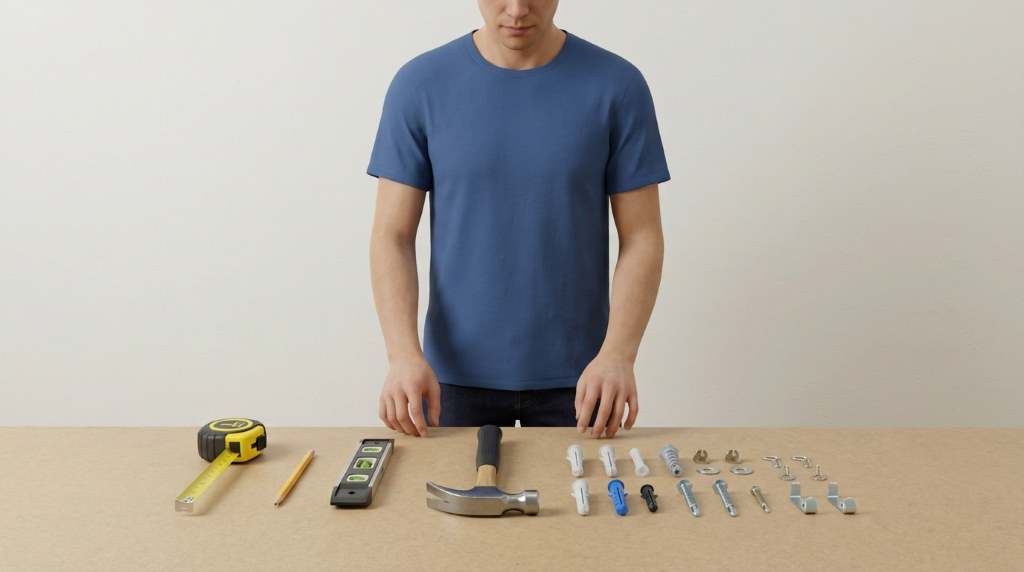
Before hanging any artwork, measure the available wall space carefully. Most designers recommend placing the center of a picture about 57 to 60 inches from the floor. This height typically aligns with average eye level. Consequently, the artwork feels natural and easy to view.
Consider surrounding furniture before making final decisions. Artwork should relate visually to nearby pieces such as sofas, beds, or tables. For example, a picture above a couch should usually be about two-thirds the width of the sofa. If you are decorating a nursery, reviewing tips on choose safe paint for baby’s room can help create a healthier and more coordinated space.
Always use appropriate hanging hardware for the wall type. Drywall, brick, concrete, and wood surfaces require different anchors and fasteners. Choosing the right hardware prevents damage and improves safety. Therefore, never rely solely on standard nails for heavy artwork.
How To Hang Pictures In A Living Room
The living room often serves as the main gathering space in a home. Artwork should support conversation areas and strengthen the room’s focal point. Large pieces work well above sofas and fireplaces. As a result, the room feels organized and welcoming.
When hanging pictures above furniture, leave approximately 6 to 10 inches between the furniture and the frame. This spacing creates a visual connection between both elements. Moreover, it prevents the artwork from appearing detached from the room design. Consistent spacing also improves overall balance.
Gallery walls work exceptionally well in living rooms. Mix various frame sizes while maintaining a consistent style or color palette. This approach creates visual interest without causing clutter. Additionally, it allows you to display multiple meaningful pieces together.
Best Living Room Picture Placement Tips
- Center artwork above major furniture pieces.
- Use larger frames on expansive walls.
- Maintain consistent spacing between grouped frames.
- Align gallery walls with furniture edges.
- Balance artwork with existing decor elements.
How To Hang Pictures In A Bedroom
Bedrooms require a calmer and more relaxing atmosphere. Artwork above the bed remains one of the most popular placement options. However, ensure the frame stays securely mounted to prevent safety concerns. Proper installation remains essential in sleeping areas.
Soft landscapes, abstract art, and personal photographs often work well in bedrooms. These styles help create a peaceful environment. Furthermore, coordinated colors contribute to a cohesive appearance. Thoughtful selection enhances comfort and visual appeal.
If your bedroom includes multiple blank walls, distribute artwork evenly throughout the space. Avoid placing all decorative pieces on a single wall. Instead, create visual balance across the room. Consequently, the design feels more harmonious and complete.
How To Hang Pictures In A Dining Room
Dining rooms benefit from artwork that encourages conversation and creates warmth. Pictures should remain visible while seated at the table. Therefore, slightly lower placements often work better in these spaces. Proper positioning improves both aesthetics and functionality.
Large statement pieces can become attractive focal points in dining areas. Alternatively, symmetrical arrangements create a more formal appearance. Both approaches work well depending on the room’s design style. Consistency remains the key to achieving a polished look.
Wall colors also influence artwork selection and placement. Coordinating pictures with wall tones creates a unified design. If you are planning a makeover, exploring awesome colour combination for living room ideas can provide inspiration for matching artwork and interior colors.
How To Hang Pictures In A Kitchen
Kitchens often have limited wall space because of cabinets and appliances. Small to medium-sized artwork usually works best in these areas. Choose locations away from direct heat and excessive moisture. This helps preserve artwork quality over time.
Food-themed prints, vintage signs, and botanical illustrations remain popular kitchen choices. These themes complement the room’s purpose naturally. Additionally, they add personality without overwhelming the space. Strategic placement keeps the kitchen visually appealing.
Use durable frames and protective glass whenever possible. Kitchens experience higher humidity and occasional grease exposure. As a result, proper protection extends the life of your artwork. Maintenance also becomes easier.
How To Hang Pictures In A Bathroom
Bathrooms present unique challenges because of moisture and temperature fluctuations. Waterproof or moisture-resistant frames perform best in these environments. Selecting durable materials helps prevent warping and damage. Therefore, material choice becomes especially important.
Artwork should remain away from direct water exposure whenever possible. Place frames above towel racks, beside mirrors, or on dry wall sections. These locations provide better protection. Consequently, your pictures remain attractive for longer periods.
Simple coastal prints, botanical artwork, and minimalist designs often suit bathrooms well. These styles create a clean and refreshing atmosphere. Furthermore, they complement most bathroom decor themes. Proper scale ensures the artwork fits comfortably within the available space.
How To Hang Pictures In Hallways And Entryways
Hallways and entryways offer excellent opportunities to showcase artwork collections. Since people frequently pass through these spaces, artwork should remain easy to view. Consistent frame alignment creates a professional appearance. As a result, visitors experience a strong first impression.
Gallery walls work particularly well in long hallways. Use equal spacing between frames to maintain order and balance. Additionally, matching frame styles can unify diverse artwork selections. Careful planning helps avoid a cluttered appearance.
Entryway artwork should reflect the home’s personality. Family photos, inspirational pieces, or local artwork often work effectively. These choices help create a welcoming environment. Therefore, visitors immediately feel connected to the space.
Choosing The Right Hardware For Different Wall Types
Selecting appropriate hardware remains essential when learning how to hang a picture in all types of rooms. Different wall materials require specific mounting solutions. Using incorrect hardware can lead to accidents and wall damage. Therefore, always verify weight limits before installation.
Drywall
- Use picture hooks for lightweight frames.
- Install wall anchors for heavier artwork.
- Locate studs whenever possible.
Brick Walls
- Use masonry screws and anchors.
- Pre-drill holes with a masonry bit.
- Choose corrosion-resistant hardware.
Concrete Walls
- Use concrete anchors.
- Employ a hammer drill for installation.
- Confirm weight capacity before mounting.
Wood Paneling
- Use wood screws directly into the paneling.
- Select screws appropriate for frame weight.
- Check stability before hanging.
Common Picture Hanging Mistakes To Avoid
Many homeowners hang artwork too high. This mistake makes pictures feel disconnected from furniture and occupants. Instead, follow eye-level guidelines whenever possible. Proper height improves visual comfort significantly.
Another common error involves selecting frames that are too small for the wall. Large walls require appropriately sized artwork or grouped arrangements. Otherwise, the room may feel unfinished. Scale plays a major role in design success.
Ignoring room color schemes can also reduce visual impact. Artwork should complement surrounding decor elements. If you are updating wall finishes, reviewing how to apply best paint colors for living room walls can help create a stronger design foundation for displaying artwork.
Professional Tips For Perfect Results
Use painter’s tape to outline artwork dimensions before drilling holes. This simple technique allows you to visualize placement accurately. Moreover, it reduces installation mistakes. Planning ahead saves time and effort.
Create paper templates for large gallery wall arrangements. Tape the templates to the wall and adjust positions before hanging frames. This method helps achieve balanced layouts. Consequently, the final arrangement looks more polished.
Always use a level during installation. Even slightly crooked frames can disrupt the room’s appearance. Therefore, double-check alignment before finishing the project. Small details often make the biggest difference.
Conclusion
Understanding how to hang a picture in all types of rooms helps transform ordinary spaces into attractive and personalized environments. By considering wall type, room function, artwork size, and proper placement, you can achieve professional-looking results throughout your home. Consistent spacing, secure hardware, and thoughtful design choices all contribute to success. For even better interior styling inspiration, explore ideas on best paint colors for living room walls. Start applying these techniques today and create a home that feels balanced, stylish, and welcoming.
Frequently Asked Questions
What is the ideal height to hang a picture?
The center of the artwork should usually be 57 to 60 inches from the floor.
How far above furniture should artwork hang?
Most artwork should sit approximately 6 to 10 inches above furniture.
Can I hang heavy pictures on drywall?
Yes, but you should use proper wall anchors or secure the frame into studs.
What type of artwork works best in bathrooms?
Moisture-resistant artwork with durable frames works best in bathrooms.
How do I create a balanced gallery wall?
Maintain equal spacing between frames and arrange pieces around a central focal point.