



Choosing the right paint color for your living room can completely change how the space feels and functions. In fact, studies show that color can influence mood by up to 80%, making your choice more important than you might think. A well-painted living room not only improves aesthetics but also increases perceived home value. Whether you prefer calm neutrals or bold tones, applying the right color correctly makes all the difference. This guide walks you through practical steps, expert tips, and proven ideas to help you achieve a polished and inviting living room.
Why Living Room Paint Color Matters
Paint color sets the tone of your living room instantly. It affects lighting, mood, and even how large or small the room appears. For example, lighter shades reflect more light and make small rooms feel bigger. Meanwhile, darker tones create a cozy and intimate environment.
Additionally, the right color can unify your furniture, décor, and lighting. It acts as the background that ties everything together. Therefore, selecting and applying the best paint color is not just about looks—it’s about creating balance and comfort.
Understanding Color Psychology
Warm Colors
Warm tones like red, orange, and yellow bring energy and warmth. They work well in social spaces where people gather and interact. However, too much intensity can feel overwhelming, so use them carefully.
Cool Colors
Cool shades such as blue, green, and gray promote calmness and relaxation. These colors suit living rooms meant for unwinding after a long day. They also pair well with modern and minimalist designs.
Neutral Colors
Neutral tones like beige, white, and taupe offer flexibility. They allow you to change décor without repainting. Moreover, they create a clean and timeless look that appeals to most homeowners.
How to Choose the Best Paint Colors for Living Room Walls
Consider Room Size and Lighting
Start by evaluating your living room’s size and natural light. Small rooms benefit from lighter shades like soft white or pale gray. Larger rooms can handle deeper tones like navy or charcoal.
Natural light changes how colors appear throughout the day. Therefore, test samples on your walls before making a final decision.
Match with Furniture and Décor
Your wall color should complement your furniture, not clash with it. For example:
- Light walls pair well with dark furniture
- Neutral walls highlight colorful décor
- Bold walls need simple furniture for balance
Think About Mood and Purpose
Decide how you want the room to feel. If you want a relaxing space, choose soft blues or greens. For a lively area, consider warm tones or accent walls.
Use Color Samples First
Always test paint samples on your wall. Paint a small section and observe it during different times of the day. This step helps avoid costly mistakes.
Popular Living Room Paint Color Ideas
Soft White and Cream
These shades create a clean and airy feel. They work well in both small and large living rooms. Additionally, they reflect light beautifully, making spaces feel open.
Gray Tones
Gray remains one of the most popular choices. It offers versatility and pairs well with almost any décor style. Light gray feels modern, while dark gray adds depth.
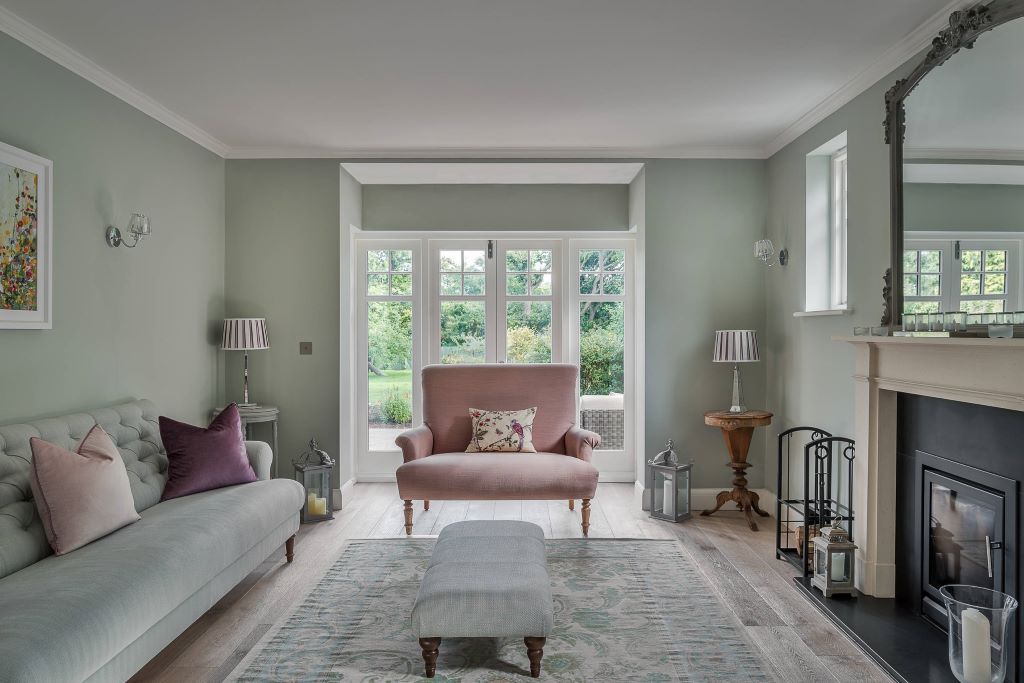
Earthy Greens
Green tones bring a natural and calming vibe. Olive and sage are especially popular for creating a cozy atmosphere.
Deep Blues
Navy and royal blue create a bold yet elegant look. These colors work well as accent walls or in larger spaces with plenty of light.
Beige and Taupe
These classic shades offer warmth without overpowering the room. They remain a safe and stylish choice for many homeowners.
Step-by-Step Guide to Applying Paint
Step 1: Prepare the Room
Remove furniture or cover it with protective sheets. Clean the walls to remove dust and grease. Smooth surfaces ensure better paint adhesion.
Step 2: Choose the Right Tools
Use high-quality brushes and rollers for even application. Cheap tools often leave streaks and uneven finishes.
Step 3: Apply Primer
Primer creates a smooth base and helps the paint stick better. It also improves color accuracy, especially when switching from dark to light shades.
Step 4: Start Painting
Begin with the edges using a brush. Then use a roller for larger areas. Apply paint in thin, even coats for the best results.
Step 5: Add a Second Coat
Allow the first coat to dry completely before applying the second. This step ensures a rich and uniform finish.
Step 6: Clean Up and Inspect
Remove tape carefully and check for missed spots. Touch up areas as needed for a flawless look.
Related:
How to Choose Safe Paint for Your Baby’s Room
How to Paint Furniture to Get a Smooth Finish: A Comprehensive Guide
Accent Walls: A Smart Design Choice
Accent walls add personality without overwhelming the space. Choose one wall and paint it a bold color while keeping the others neutral.
Popular accent wall ideas include:
- Dark blue behind the sofa
- Textured paint finishes
- Geometric patterns
Accent walls work best when they highlight a focal point like a fireplace or TV area.
Common Mistakes to Avoid
Even small mistakes can affect the final result. Therefore, keep these points in mind:
- Skipping primer leads to uneven color
- Choosing colors without testing samples
- Using poor-quality paint or tools
- Ignoring lighting conditions
- Applying thick coats instead of thin layers
Avoiding these errors saves time, money, and effort.
Tips for Long-Lasting Results
Choose High-Quality Paint
Premium paints last longer and resist stains better. They also require fewer coats, saving time in the long run.
Maintain Proper Ventilation
Good airflow helps paint dry faster and reduces odor. Open windows or use fans during the process.
Clean Walls Regularly
Dust and dirt can dull your paint over time. Wipe walls gently to keep them looking fresh.
Use Washable Finishes
For living rooms, eggshell or satin finishes work best. They offer durability and are easy to clean.

How to Combine Multiple Colors
Using more than one color can create depth and interest. However, balance is key.
Follow these simple rules:
- Use a 60-30-10 color ratio
- Stick to a consistent color palette
- Blend shades that complement each other
For example, combine a neutral base with a bold accent and subtle decorative tones.
Seasonal Color Trends for Living Rooms
Trends change every year, but some patterns remain consistent.
- Spring: Light pastels and fresh greens
- Summer: Bright whites and airy blues
- Autumn: Warm browns and burnt orange
- Winter: Deep grays and rich navy
Updating your living room with seasonal touches keeps it fresh and modern.
Budget-Friendly Painting Ideas
You don’t need a large budget to transform your living room.
Try these cost-saving ideas:
- Paint one wall instead of the entire room
- Use leftover paint creatively
- Mix neutral colors for a custom shade
- Do the work yourself instead of hiring professionals
These simple strategies can still deliver impressive results.
Conclusion
Applying the best paint colors for living room walls requires careful planning, smart choices, and proper technique. When you understand color psychology, test samples, and follow the right steps, you can create a space that feels both stylish and comfortable. Take time to choose colors that match your lifestyle and décor. Start your painting project today and turn your living room into a space you truly enjoy.
FAQs
How do I choose the right paint color for my living room?
Start by considering lighting, room size, and furniture. Test samples before making a final decision to ensure the color looks right in different conditions.
What is the best finish for living room walls?
Eggshell or satin finishes work best. They provide durability, are easy to clean, and offer a soft, elegant look.
Should I use dark colors in a small living room?
You can, but use them carefully. Pair dark shades with good lighting or use them as accent walls to avoid making the space feel smaller.
How many coats of paint should I apply?
Two coats usually provide the best coverage and color depth. Always allow the first coat to dry completely before applying the second.
Can I mix different colors in one living room?
Yes, but maintain balance. Use a consistent palette and follow design ratios like 60-30-10 for a cohesive look.
References
https://www.sherwin-williams.com/homeowners/color/find-and-explore-colors/paint-colors-by-room/living-room
https://www.behr.com/consumer/colors/paint/color-collections/living-room
https://www.benjaminmoore.com/en-us/color-overview/find-your-color/color-by-room/living-room
https://www.dulux.co.uk/en/articles/living-room-colour-schemes